
Understanding CVD Rough Diamonds: The Raw Form of Lab-Grown Diamonds
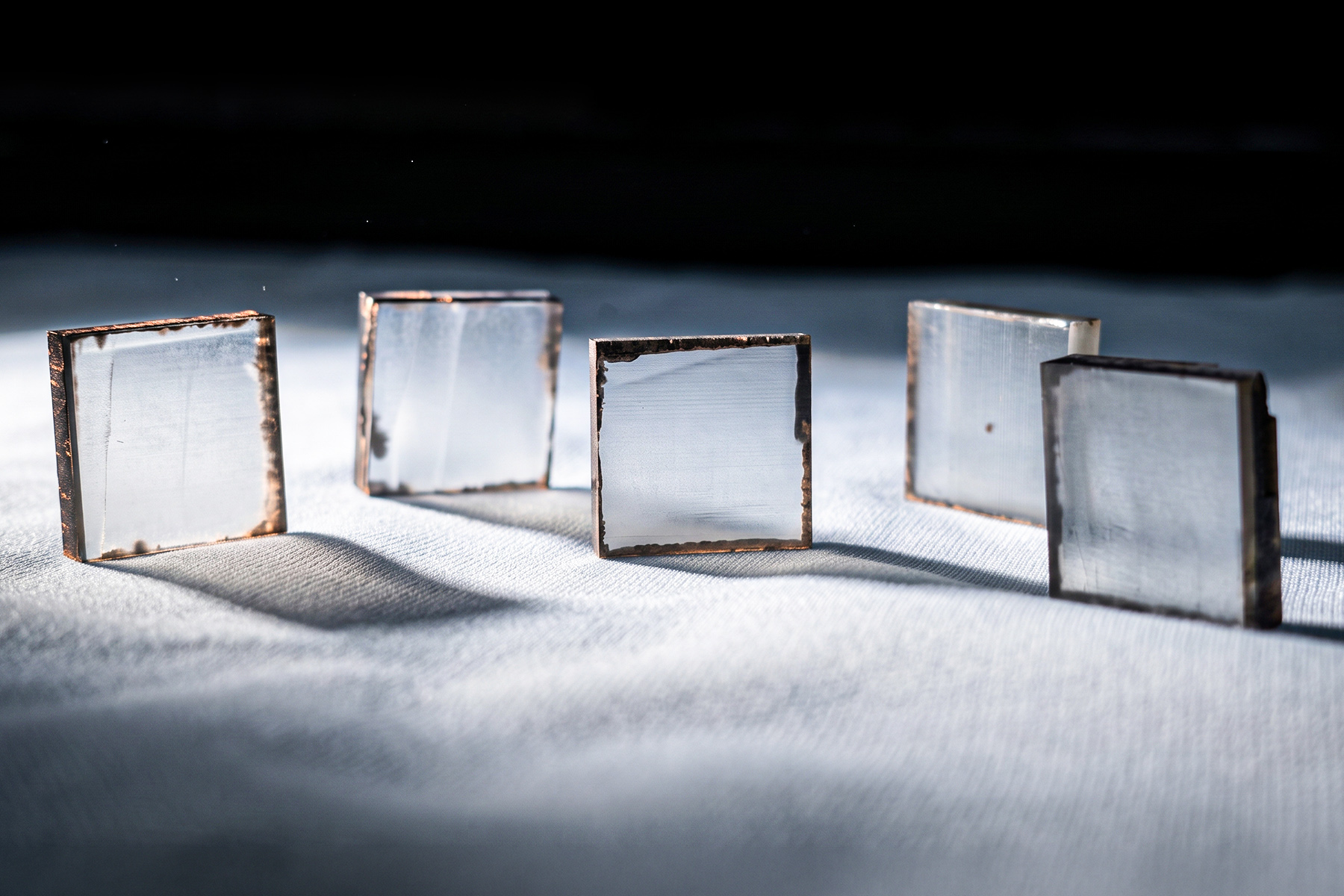
Every lab-grown diamond (LGD) starts as a rough diamond - the raw form where its true value begins before undergoing any cutting and polishing. The rise of Chemical Vapor Deposition (CVD) has made it possible to grow diamonds inside a controlled lab environment. The rough diamonds are then polished and shaped in the desired dimensions for different gem and non-gem applications.
These rough diamonds are useful for multiple machinery applications including turning, milling and drilling. Plus, they are also helpful for the purpose of jewelry making. But what exactly are rough diamonds, how many forms do they come in, and where are these used in the real-world?
This blog gives detailed insights on different aspects - covering the types, forms, and benefits of CVD rough diamonds, along with its real-world applications across jewelry and industrial manufacturing.
About CVD Rough Diamonds
CVD rough diamonds are the unprocessed, raw and as-grown form of diamonds produced by the chemical vapor deposition (CVD) process. They are grown in a controlled laboratory environment, where the process begins with a diamond seed. Depending on the required final thickness, the diamond seed is removed at different stages of the growth process using laser cutting. For example, if a rough diamond with a thickness of around 1 mm is required, the seed is typically removed after the first growth stage, once the grown material becomes self-sustaining.
However, for thicker rough diamonds, such as 4 mm or 5 mm, the seed may be removed during the later stages of the growth cycle. The extracted seed is then reused for other CVD growth processes.
At this stage, the grown part is referred to as CVD rough diamond as this has yet to undergo cutting, polishing, or shaping into its final form.
Types of Rough Diamonds
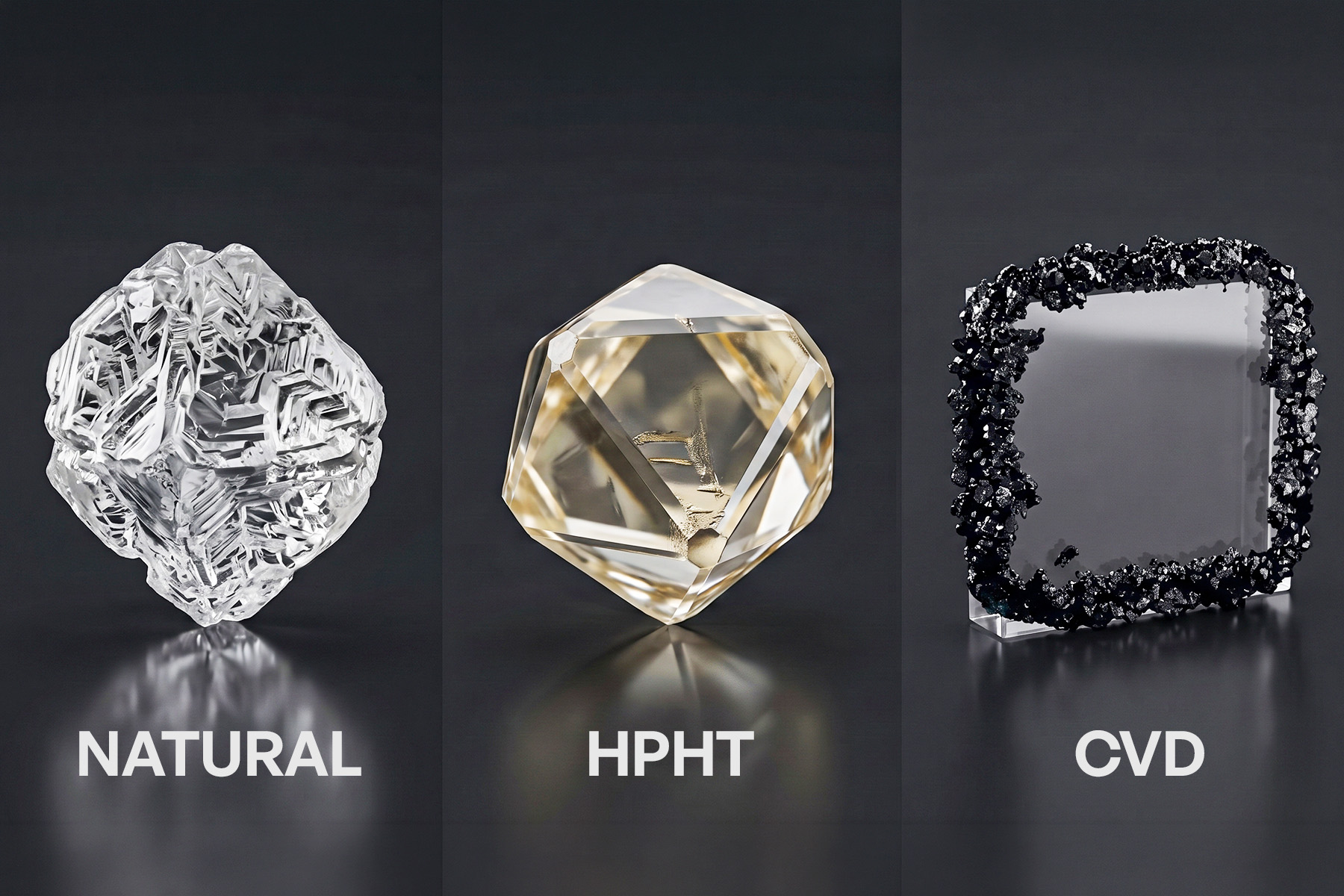
There are different types of rough diamonds available including natural rough, HPHT rough and CVD rough. In this section, let us understand each of these types in detail:
a. Natural Rough Diamonds
Natural rough diamonds are formed deep within the earth's mantle. They appear in natural and uncut form and bear the marks of their geological formation. They are grown under conditions of extreme heat and pressure taking billions of years to form. The volcanic eruptions bring them closer to the surface. Natural rough diamonds represent the incredible artistry of nature by shaping the most in demand gemstone in the world, a natural diamond.
b. HPHT Rough Diamonds
HPHT rough diamonds are produced using the High Pressure High Temperature growth process. These are synthetic diamonds that are created in a laboratory environment with the use of advanced technology. The process starts by placing a diamond seed which is subject to high pressure and high temperature, mimicking the conditions of the natural environment.
c. CVD Rough Diamonds
Chemical Vapor Deposition (CVD) rough diamonds are manufactured using a highly controlled growth process. The growth process starts with placing a seed inside the chamber, filled with carbon-rich gases including methane and hydrogen. The high power of the microwave helps break down the gases into methane free radical and atomic hydrogen. These possess kinetic and thermal energies that result in the generation of plasma. The plasma has fundamental constituents that help grow the diamond layer-by-layer on top of the diamond seed placed inside the microwave plasma reactor.
Forms of CVD Rough Diamonds
Rough diamonds come in various forms. CVD rough diamonds can be classified as either gem-grade or industrial-grade based on different factors including - the synthesis conditions, presence of color-altering defects, and their physical performance parameters. In this section, let us understand the different forms of CVD rough diamonds.
a. As-grown (Unpolished) Rough Diamonds
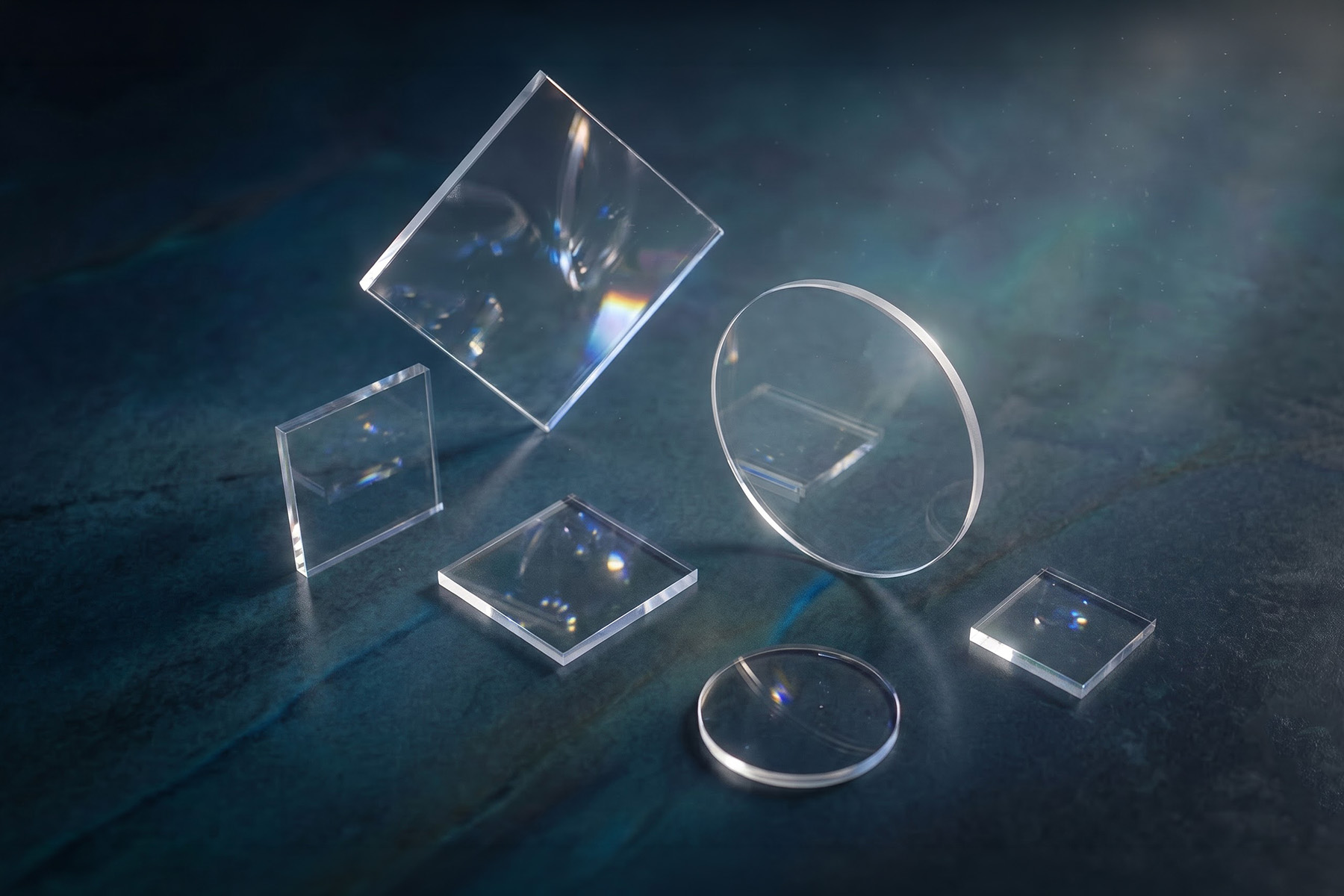
As-grown rough diamonds refers to the raw state of diamonds directly out of the growth chamber. The outer surface of as-grown diamonds features a rougher rim and an uneven top surface. This form involves minimum processing and is suitable for buyers having their own cutting and lapping capabilities.
b. Polished Rough Diamonds
Polished rough diamonds are those diamonds wherein one or more sides of the diamond undergoes polishing. This is still not the finished gemstone and remains as a rough material. The polished rough diamonds allow the buyer to check for any inclusions, color and the internal quality. These are also valuable in mechanical and optical applications due to their unique properties.
c. Gem-Grade Rough Diamonds
Gem-grade rough diamonds are primarily designed for the consumer jewelry market. Made inside a controlled lab environment, these rough diamonds are meant for cutting and polishing into jewelry. Produced with extreme care, these diamonds are created taking into account specifically the - crystal quality, color and clarity. These can be made in different color and clarity grades. Gem-grade rough diamonds are ideal for different jewelry including engagement rings, bracelets, earrings and fine jewelry.
d. Industrial-Grade Rough Diamonds
Industrial-grade rough diamonds manufactured using CVD are meant for different industrial applications apart from jewelry. These rough diamonds are ideal for tooling applications including - drilling, milling and turning. These diamonds are engineered for functional properties rather than aesthetic appeal.
Benefits of CVD Rough Diamonds
CVD rough diamonds combine multiple benefits from technical, environmental to economic. Let us look at the benefits of CVD rough diamonds here:
a. Precise Control
The CVD growth process involves layer by layer deposition and offers great control over purity and material properties of the diamonds. These rough diamonds are completely non-magnetic and can be classified as Type IIa which is chemically the purest classification of diamonds. Foreign elements like nitrogen, boron, phosphorus can also be introduced into the diamond lattice to attain certain material properties.. For instance, adding boron gas in the reaction chamber will replace carbon atoms within the lattice. This allows diamonds to work as an electrical conductor where they can be used as electrochemical boron-doped diamond (BDD) electrodes.
b. Low Carbon Footprint
Natural diamonds have significant environmental consequences. Extracting diamonds from the earth requires a considerable amount of water which further causes land degradation, soil erosion and local ecosystem disruption. On the other hand, CVD rough diamonds are produced in a controlled lab environment. These are grown without creating any harm to the environment. The overall environmental impact of the CVD growth process is significantly lower.
c. Highly Customizable
The biggest advantage of the CVD growth process is the level of high customization. CVD growth process allows for production of specific sizes, shapes, colors and crystal orientations as per the requirement. This makes CVD rough diamonds ideal for multiple applications - cutting and machining tools, electronics, optics, thermal management, and quantum technologies.
Applications of CVD Rough Diamonds
CVD rough diamonds also find their use cases in machining tools for different industrial applications. From cutting to milling to drilling tools, industrial-grade CVD rough diamonds ensure extreme hardness and wear resistance. CVD rough diamonds possess extreme hardness and wear resistance that results in sharp cutting edges and stable long machining runs. Let us look at the multiple applications of CVD rough diamonds including both gem and non-gem sector:
a. Milling and Turning

Tools accompanying CVD diamond tips are ideal for high-speed machining of highly abrasive non-ferrous alloys. The result of this is that tools get a mirror-like surface finish on final workpieces. What this eventually does is eliminates the requirement for subsequent grinding and hand polishing.
b. Drilling and Micro-Drilling
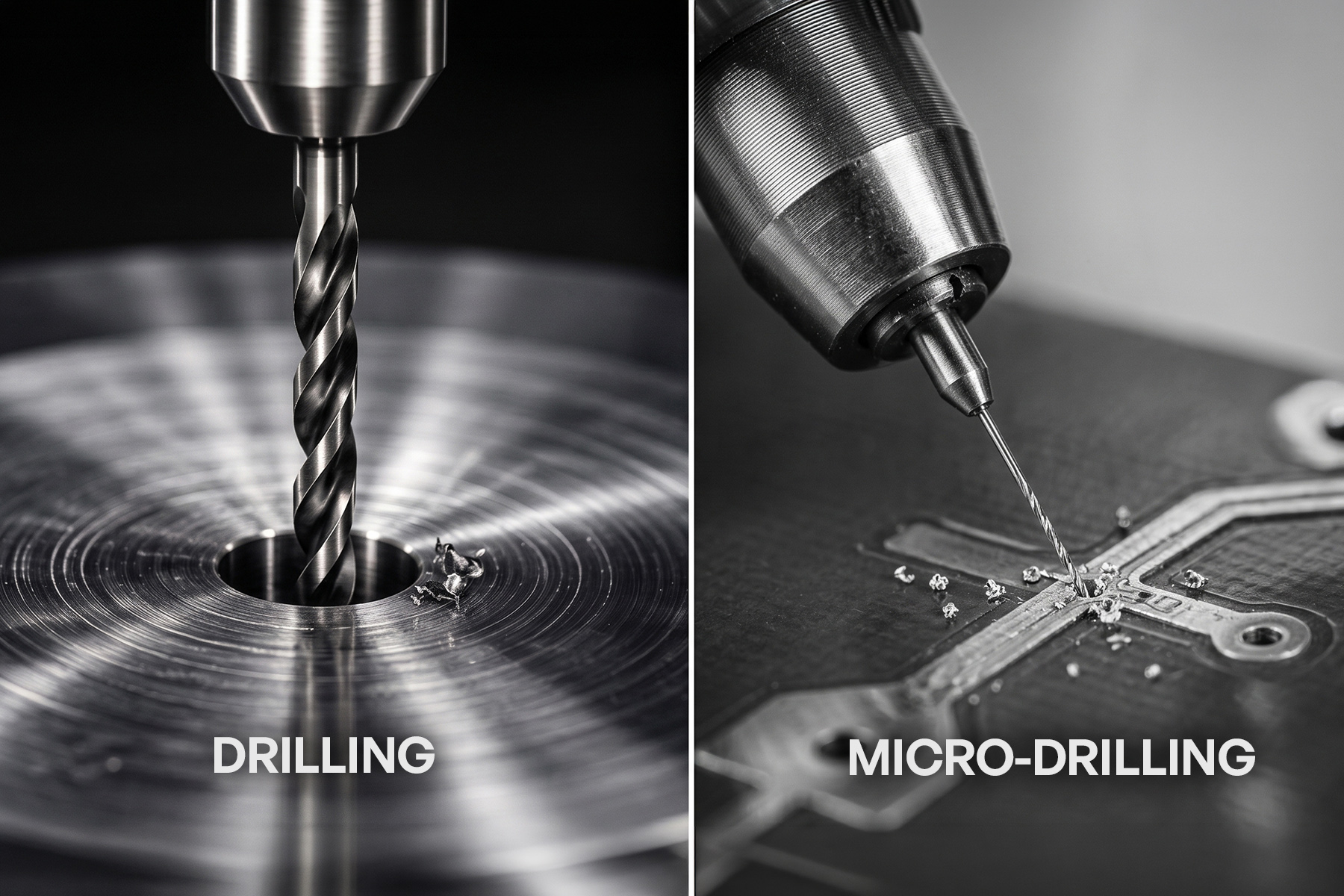
The manufacturing of printed circuit board (PCB) involves drilling of extremely small holes into tough glass-fiber boards. With regular drilling, the drill bits wear out quickly. However, with CVD diamond-coated drill bits result in sharp, clean and precise holes without causing any damage to the board.
c. Medical Instruments
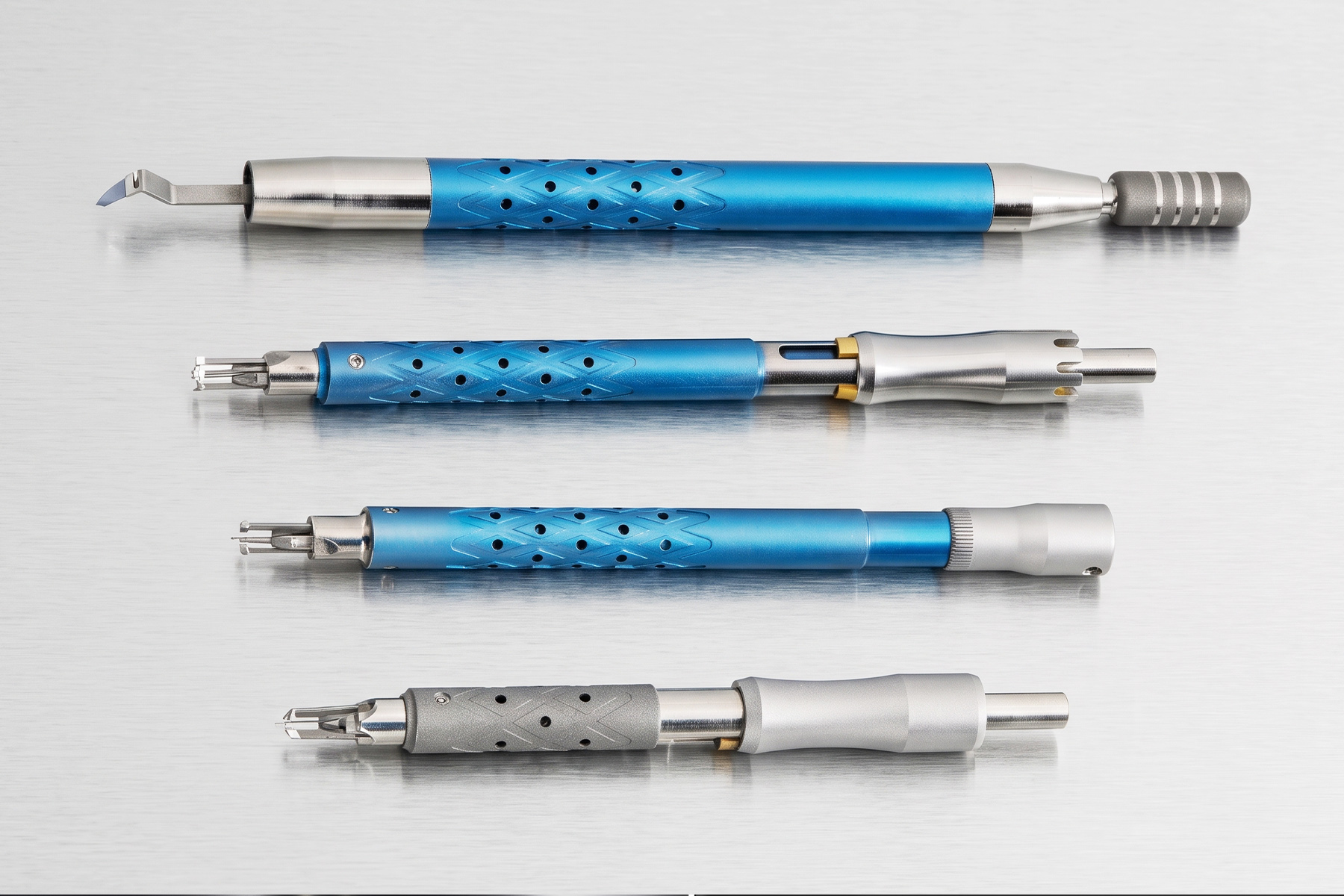
Lab-grown rough diamonds are hard enough to be made into surgical scalpels. These are especially valued for their use in eye surgery and other procedures done under a microscope, where the cuts have to be extremely fine. A diamond blade can be polished to an edge that is smooth all the way along, with no tiny nicks, and sharp down almost to the level of individual atoms. The result? An edge that cuts cleanly. In short, the cleaner the cut, the less damage to the surrounding tissue. This eventually helps in healing the wound faster and shortens the recovery time.
d. Gemstone and Jewelry Market

When it comes to gemstones and the jewelry market, the journey to a finished stone begins with the CVD rough material. The rough is first evaluated in detail, then planned and marked to determine how it will be cut and polished.
AGA9 Systems CVD Rough Diamonds
If your business demands high-quality CVD rough diamonds for tooling applications, AGA9 Systems offers the best-in-class solution for your needs. AGA9 Systems offer as-grown and polished CVD rough diamonds manufactured using MPCVD growth process delivering exceptional consistency, purity, and performance.
Primarily meant for tooling applications such as drilling, milling, and turning, our CVD rough diamonds provide the superior material properties required for demanding machining environments. With customizable sizes, shapes, and thicknesses, they can be tailored to meet your specific manufacturing requirements.
With AGA9 System's CVD rough diamonds, tool manufacturers benefit from:
- Exceptional hardness
- Longer tool life
- Sharp cutting edges
- Consistent quality
- Customizable dimensions
Key Takeaways
Rough diamonds are highly structured crystal forms before they undergo physical transformation into polished gemstones or integrated industrial components. CVD rough diamonds are highly valued for their role as tool coatings for various machining tools. Grown in a controlled chamber and then cut and shaped into solid inserts, dies, and drilling tools, it gives manufacturers a material engineered to their specification.
Today’s industries demand greater precision, durability, and efficiency. CVD rough diamond is becoming an increasingly important material for next-generation manufacturing.
Frequently Asked Questions
Here are some interesting FAQs on lab-grown rough diamonds:
“redefining one diamond layer at a time”
More Articles
%20vs%20(110)%20vs%20(111).jpg)


Aga9 Systems is a lab-grown diamond manufacturing company dedicated to harnessing the valuable properties of CVD diamonds for industrial applications. We at Aga9 Systems manufacture more than lab-grown diamond plates, we are dedicated to creating brilliance ethically, sustainably and with maximum resource efficiency.