
The Gases Used in the CVD Diamond Growth Process
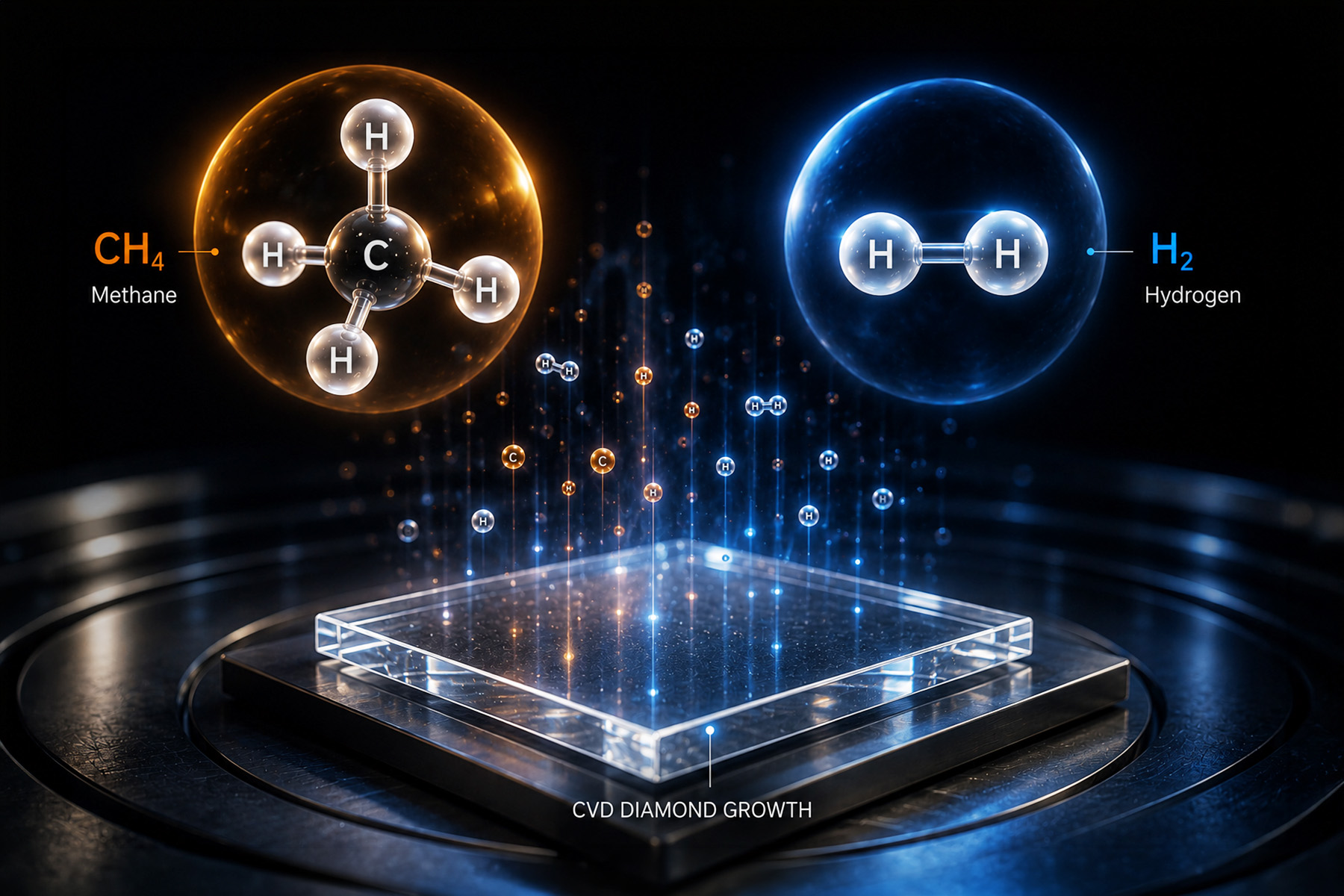
Manufacturing diamonds through Chemical Vapor Deposition (CVD) highlights how the production of the world's hardest material has moved from mining to laboratory environments. CVD is a newer and more advanced method of diamond production. It involves a gas-phase chemical reaction where carbon-containing molecules are broken down within a high-energy environment. Central to this process is a careful interaction of gases, each serving a distinct and critical function and operating under precisely controlled low-pressure conditions.
In this article, we examine the gases that drive the CVD diamond growth process, their individual roles, and the significance of purity of each gas.
What is CVD Diamond Growth?
The chemical vapor deposition is a specialised growth process used for producing lab-grown diamonds. The process begins with selecting a diamond seed and meticulously cleaning the seed. Any trace contaminant or surface imperfection left on the seed risks being crystallized into the diamond as a permanent defect, compromising clarity, structural integrity, and electronic properties.
The diamond seed is then placed into a sealed chamber which is flooded with carbon rich gas. The gases are then ionised under intense heat where the molecular bonds break down and settle on the existing seed.
As the gas ionises, carbon atoms are drawn to the diamond seed and locked into its crystal structure one layer at a time. The crystallization continues until the rough diamond is fully formed and produced, leading to the end of the process.
Understanding the Type of Gases

Before moving on to the segment covering the primary gases involved in the CVD process, let us first understand the type of gases:
The 5 Primary Gases Used in the CVD Process
The Chemical Vapor Deposition Growth Process is dependent on the precise combination of gases, where each gas plays a distinct role in the growth of the diamond. The following are the 5 primary gases deployed in the lab-grown diamond production process:
1. Methane
Methane is the fundamental building block of the CVD growth process as it provides the carbon atoms necessary for growth. When methane is introduced into the vacuum chamber and energized by microwave beams its molecules break down into constituent atoms. This process enables the generation of methyl radicals that act as primary precursors for the diamond growth phase. It is important to strictly control the concentration of methane since higher concentration can increase the growth rate at the expense of the crystal quality.
2. Hydrogen
Hydrogen is another foundational gas used in the production of lab-grown diamonds required at ultra-high purity levels. The plasma for the growth of diamond requires ultra-high purity hydrogen. The hydrogen gas serves two important functions:
a. Carbon-carbon bonding
Within the plasma, the molecular hydrogen is broken down into atomic hydrogen which is a highly reactive species that plays a direct role in diamond lattice formation. Atomic hydrogen has the following functions:
- Terminates the dangling carbon bonds
- Stabilizes the structure
- Prevents reconstructing into graphite
This stabilisation helps the incoming carbon atoms to form into precise tetrahedral sp³ bonds that define the diamond's crystal structure. In the absence of this, carbon atoms will remain unorganized and the diamond growth will not occur.
b. Prevents Unwanted Carbon Formation
It helps prevent the formation of unwanted elements such as graphite that can interfere with the diamond growth process. This helps ensure that only the diamond phase is deposited and preserved.
3. Oxygen
Oxygen is added in small amounts as it helps improve the growth rate and the purity of the diamond. Though oxygen will help increase the growth rate, an excess quantity will decrease the density of diamond nuclei. When used in the correct proportion, it will allow for high-quality growth at higher methane concentrations. As per research, the addition of oxygen reduces the concentration of acetylene in the deposition chamber. This will suppress graphitic co-deposits and improve the overall quality of the diamond.
4. Nitrogen
Nitrogen performs a dual role as it acts both as a growth mode modifier and a dopant for specialized applications. The introduction of this gas helps increase the growth rate of homoepitaxial single-crystal diamonds by 4.5 times. Furthermore, it also adds the following electronic and optical properties:
- Color: It is the primary impurity that adds color to the diamonds and can produce yellow tints.
- NV Centers: When it comes to quantum technology, nitrogen is added on purpose to create Nitrogen Vacancy (NV) centers. These are essential for highly sensitive magnetic sensors and quantum computing.
5. Argon
This gas does not participate in the primary reaction of the CVD growth process. The main purpose of this gas is to transfer the precursor molecules in a stable and consistent flow over the substrate. This gas also serves as diluents. When precursor gases get mixed with a large volume of diluent gas, it can precisely control the precursor's partial pressure thereby controlling the deposition rate and the film uniformity.
The Importance of Gas Purity
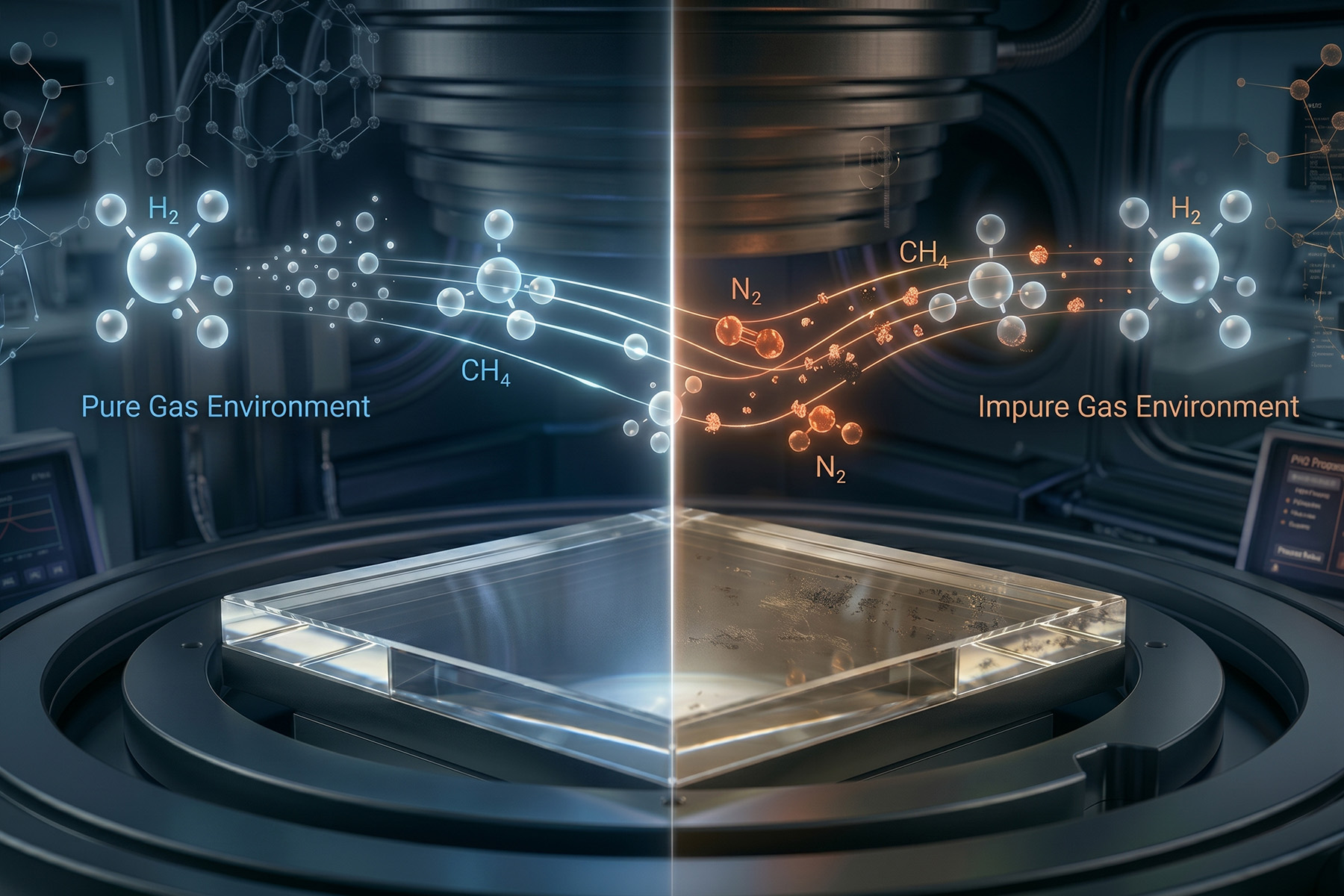
In the chemical vapor deposition (CVD) diamond growth process, the purity of the input gases plays a key role. The selection of gases has a direct impact on the performance, safety, and cost of the entire operation. It also fundamentally influences both the growth process and the characteristics of the final product. If a single foreign atom gets integrated into the diamond lattice it can lead to a defect that affects the color, clarity, thermal conductivity, electrical properties and mechanical strength of the final product. If impurities are introduced into the gas lines and not identified and corrected at the outset, they become exceedingly difficult to correct post-growth.
Common Contaminants
1. Nitrogen
Nitrogen is an influential impurity. It can create impurities at levels as low as 1 ppm which leads to a noticeable brown tint. The selection of gases has a direct impact on the performance, safety and cost. It also influences the process and the final product.
If impurities are introduced in the gas lines it can significantly alter the diamond's properties. These impurities if not corrected initially will become difficult to correct post-growth. This happens due to the formation of vacancy clusters and nitrogen vacancy complexes.
2. Hydrocarbons
Hydrocarbons can affect the growth chemistry and lead to the formation of non-diamond carbon phases such as graphite or amorphous carbon inclusions. This significantly affects optical clarity and structural integrity.
3. Boron
The addition of boron even in small amounts leads to blue coloration and makes the diamond electrically conductive. Though boron-doped diamonds have specialized industrial uses, when in the gem segment it can ruin colorless gem production.
Final Thoughts
The science of lab-grown diamonds is dependent on the mastery of the different gases where a carefully selected mix of gases is required. The gases used in the production of CVD - hydrogen, methane, oxygen, nitrogen and argon are the driving forces behind this process.
While hydrogen and methane are the core gases, there are secondary gases introduced as well to modify the properties of the resulting diamonds. The ratio, purity and flow rate of these gases is important to determine as it influences the growth rate, crystalline quality and optical clarity of the final diamond.
As the CVD technology is set to advance in the years to come, refining the gas composition and delivery systems will enable smooth production of larger, purer and more application-specific diamonds for demanding industries.
At Aga9 Systems, we leverage the precise control of the CVD growth process to manufacture diamond plates as per the exact specifications your application demands.
Frequently Asked Questions
Here are some interesting FAQs on the gases used in the CVD growth process:
“redefining one diamond layer at a time”
More Articles
%20vs%20(110)%20vs%20(111).jpg)
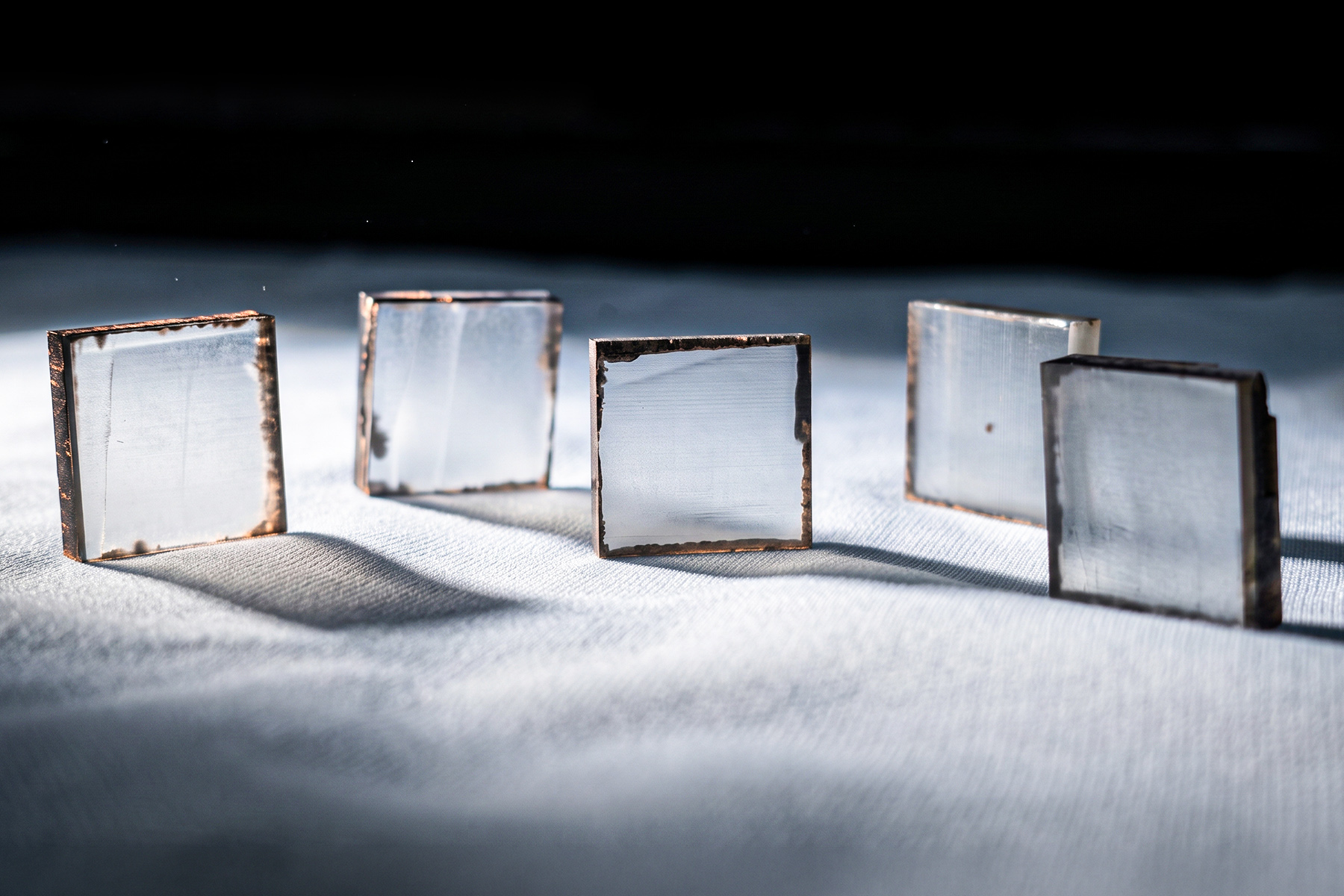


Aga9 Systems is a lab-grown diamond manufacturing company dedicated to harnessing the valuable properties of CVD diamonds for industrial applications. We at Aga9 Systems manufacture more than lab-grown diamond plates, we are dedicated to creating brilliance ethically, sustainably and with maximum resource efficiency.