
Biological Applications of Diamond Nanoparticles
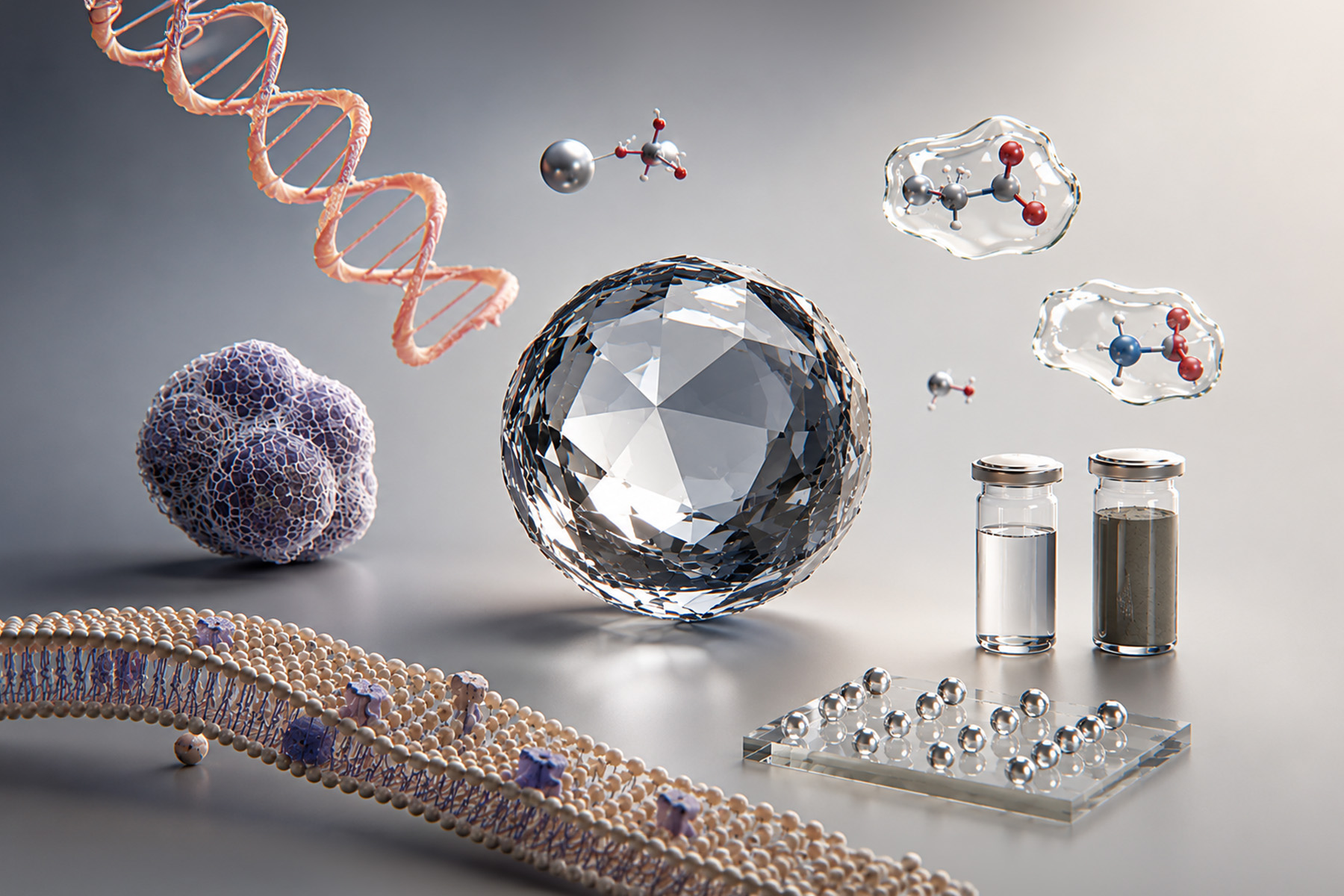
Diamonds are regarded for both their hardness and aesthetic appeal. However, at the nanoscale, they are emerging as the most effective tool for biomedical applications. Nanodiamonds have been more important in biomedical applications during the last few decades. All thanks to diamonds' structural, chemical, biological, mechanical, and optical qualities. These are some material properties that make nanodiamonds intriguing for applications such as drug delivery, bioimaging, tissue engineering, and biosensing.
In this blog, let us take a deep dive into how nanodiamonds are proving beneficial for biomedical applications.
Understanding Nanodiamonds
Nanodiamonds are tiny carbon nanoparticles that have a similar structure to conventional diamonds. Typically ranging from two to eight nanometers, they are proving valuable in different areas such as:
- Medicine
- Energy
- Information Technology
The high-surface area, chemical stability and non-toxicity are factors that make nanodiamonds ideal for biomedical applications like drug delivery and bioimaging.
Why Nanodiamonds for Biological Applications
Nanodiamonds possess exceptional mechanical, thermal and chemical stability. They combine the functional advantages of bulk diamond with nanoscale structures. Their unique physical characteristics make them suitable for multiple biological applications.
a. Fluorescence
Nitrogen is the most common impurity found in diamonds leading to the formation of nitrogen-vacancy color centers as fluorophores. These centers have special magnetic and optical qualities which simply means that they do not fade over time (no photobleaching) and give off bright light in the far-red part of the spectrum.
The controlled NV-center concentration is important to harness fluorescence properties of the diamond which is opening new possibilities in different areas including:
- High-resolution magnetic imaging and sensing
- Quantum computing
- Fluorescence resonance energy transfer, and other biomedical uses.
b. Surface Functionalization
Nanodiamond surfaces have numerous reactive groups including alkyl, carboxyl, hydroxyl, ketone, and lactone. These can be easily changed to bind medicines, enzymes, genes, or other compounds for specific uses. Surface functionalization and modification give nanodiamonds the ability to bond chemically with targeted chemical or biological species in case of drug-delivery application. .
c. Biocompatibility
Nanodiamonds possess an excellent level of biocompatibility and have significantly low cytotoxicity. Due to the pure carbon composition, their structural degradation does not produce toxic elemental byproducts.
Also, nanodiamonds make excellent drug carriers for three reasons:
- The ample surface area
- Many-sided (octahedral) shape
- Flexible surface chemistry of nanodiamonds
d. Long-Term Tracking
The spectroscopic properties of the NV center is different from cell autofluorescence which results in background-free imaging. Additionally, the excellent biocompatibility of nanodiamonds is ideal for long-term cell tracking especially in stem cell research.
e. Hardness
Nanodiamonds are made of sp3-hybridized carbon atoms that make them extremely hard and stiff. Additionally, the high Young's modulus of nanodiamonds makes them an excellent mechanical reinforcement filler.
Furthermore, nanodiamonds help enhance the material's compressive strength, hardness and fracture toughness when it comes to tissue-engineering scaffolds used in traditional bone regeneration hydrogels.
f. Chemical Inertness
Nanodiamonds also possess high stability and chemical inertness. This helps prevent the nanoparticles from reacting with biological surroundings. Furthermore, they remain stable under harsh biological and chemical environments.
Key Biological Applications

The different properties of diamonds including chemical inertness, hardness and low cytotoxicity makes them ideal as a coating material for implants and other surgery tools in biomedical fields.
1. Drug Delivery
Several researches have been conducted to understand the use of nanodiamonds for drug delivery. In one of the studies nanodiamonds were embedded into contact lenses to trap and slowly release timolol maleate. This drug is used to treat glaucoma. This study proved useful for capturing drug releasing in a controlled manner and activating enzymes.
Furthermore, in another study nanodiamonds were used to deliver the anti-cancer drug HCPT. The presence of NaOH helped the drug stick to the nanodiamonds. This combination of nanodiamonds and HCPT resulted in slow and steady release of drugs under mildly acidic conditions. It was also more effective against tumor cells than the drug on its own.
Their adjustable surface properties, biocompatibility, and large surface area make them ideal for carrying and attaching therapeutic molecules such as drugs and genes. They are emerging to be highly efficient platforms for the delivery of small-molecule therapeutics, macromolecular biologics, and nucleic acids.
2. Nano Catalysis
Nano catalysis is another area where nanodiamonds are proving their usefulness. When integrated with enzymes or metals such as platinum, nickel, palladium, and gold, nanodiamonds can help facilitate different chemical reactions. In some cases, nanodiamonds can even help carry out chemical reactions without any metal involved.
Nanodiamonds can also drive reactions like the direct dehydrogenation of ethylbenzene without any steam. Unlike other forms of carbon, their unique mix of sp² and sp³ structures gives them a distinct advantage of strong stability paired with high activity. Nanodiamonds can also act as photocatalysts, using laser pulses to reduce graphene oxide and split water.
Furthermore, nanodiamonds and boron-doped diamond (BDD) when combined provide several useful applications. They can help:
- Break down nitrite
- Help remove pesticides like o-nitrophenol (ONP)
- Combine with nitrogen to measure glucose
3. Nano-Sensing
Several studies conducted recently highlight the role of nanodiamonds in fabricating sensing devices. These devices include sensing of gases like H2O2, monitoring drug molecules such as codeine, glucose, azathioprine and devices that help diagnose diseases by detecting specific gene sequences.
The different physical properties from biocompatibility to chemical inertness to robustness, makes nanodiamonds ideal for detection and sensing applications.
Additionally, carbon nano-onions made using nanodiamonds deliver better performance for the detection of redoxactive molecules such as dopamine, epinephrine, and norepinephrine.
Plus, they offer good selectivity, high sensitivity, and a stable electrode response, with a very low detection limit of just 100 nM.
4. Nano-Separation
There are several studies that have highlighted the value of new membranes made of nanocarbon materials. These offer multiple advantages including electrical conductivity, better chemical properties and resistance to corrosion and fouling. Furthermore, nanodiamonds are a sustainable option, limiting membrane-based desalination. They are also highly stable against a range of chemicals, including fluoride, alkaline solutions, and mixtures of sulfuric and nitric acid.
On the other hand, graphitic and detonated nanodiamonds, which are strongly water-repelling (hydrophobic), reduce pore wetting and improve the movement of water vapor through the membrane.
5. Nano-Cosmetics
Nanodiamonds are also gaining prominence in nanocosmetics. They help deliver important ingredients like vitamins, antioxidants, anti-aging substances, and anti-inflammatory compounds more efficiently to the skin.
Furthermore, the excellent properties of nanodiamonds have made their entry into different products including cleansers, creams, lotions, skin protectants, toothpastes, shampoos, dermal strips, deodorants, soaps, exfoliants, and more.
6. Infection Diagnosis
The development of useful biomedical tools can be efficiently made with the help of nanoparticles. These nanoparticles are ideal for diagnosis and therapy of diseases including infections. Nanodiamonds also possess magnetic properties which can help improve MRI scans by acting as a contrast agent.
Many researchers have used the properties of nanodiamonds in multiple different ways. Fluorescent nanodiamonds can be utilized to photograph living cells and creatures without having any adverse consequences.
Researchers have also employed mass spectrometry with nanodiamonds to detect and identify disease-causing organisms such as Mycobacterium TB, carbapenem-resistant Acinetobacter baumannii, and HPV.
Market Outlook
The global nanodiamonds market has grown from USD 370. 4 million (2024) to 722.1 million (2030). This means a 11.9% compounded annual growth rate. The fundamental cause for this is the increased demand for high-performance materials across many industries.
The demand for nanodiamonds is also gaining prominence for biomedical applications. Nanodiamonds possess excellent biocompatibility, stability and the ability to carry bioactive substances. These factors have open ways when it comes to drug delivery, imaging and diagnostics. As the healthcare and pharmaceuticals industries explore more effective treatment options, the role of nanodiamonds in enhancing the effectiveness of drug delivery is set to rise.
Additionally, nanodiamonds are known for their low environmental impact. The growing preference for green solutions is further set to accelerate the demand for nanodiamonds across multiple industries.
Looking Ahead
To conclude, diamond nanoparticles are transforming the landscape of biological and medical research. The unique properties of diamonds including biocompatibility, chemical stability and surface functionalization are opening new doors in drug delivery, bioimaging, diagnostics and tissue engineering. As there is ongoing innovation in nanotechnology, the biological applications of diamond nanoparticles will continue to expand further.
Diamond nanoparticles are proving that one of the hardest materials on earth is on the way to becoming a promising solution for advancing human health. The benefit of diamond nanoparticles will enhance the precision and effectiveness of biomedical applications.
In addition, it will also pave the way for safer and more effective healthcare solutions in the future.
Frequently Asked Questions
Here are some interesting FAQs on Diamond Nanoparticles:
“redefining one diamond layer at a time”
More Articles
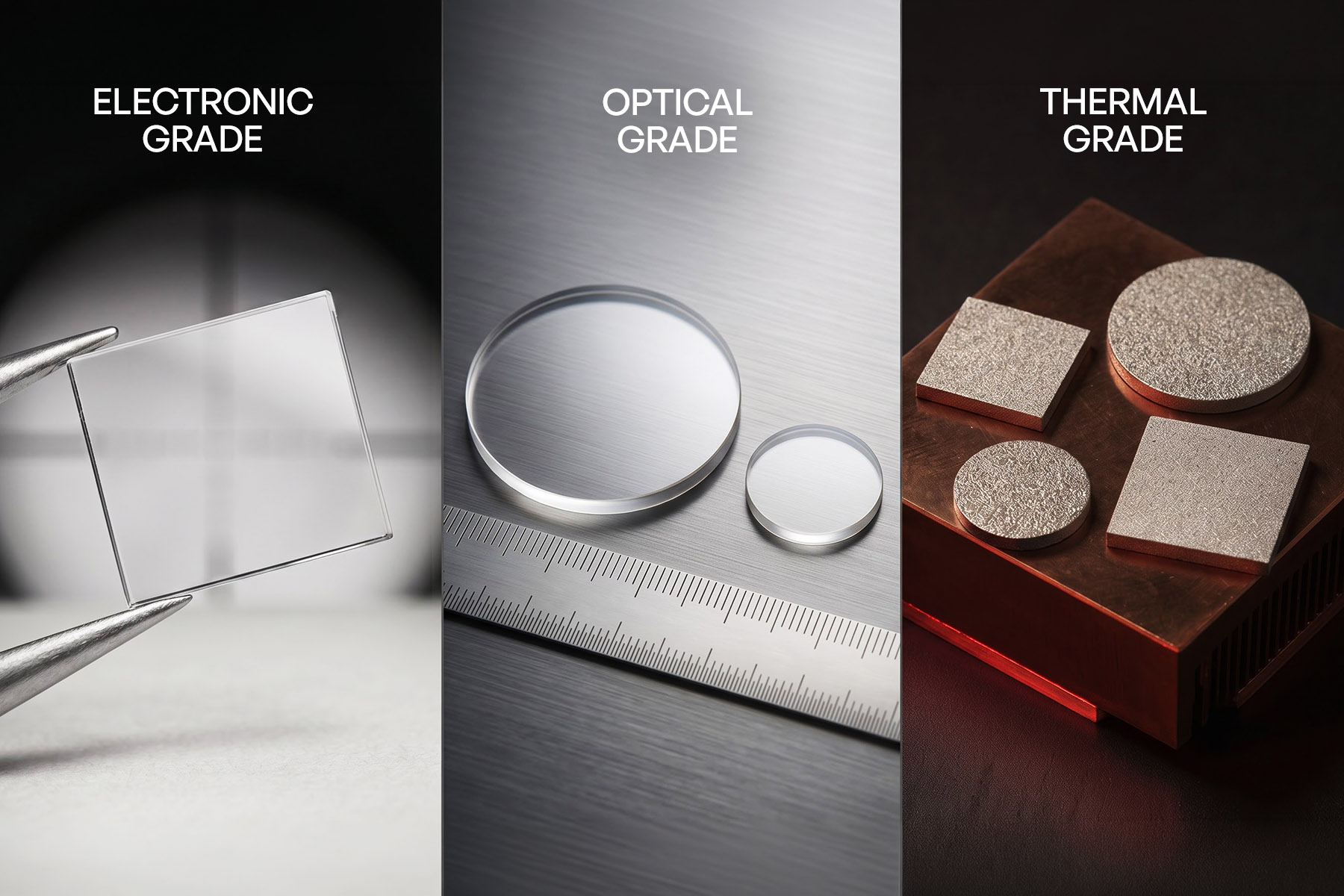



Aga9 Systems is a lab-grown diamond manufacturing company dedicated to harnessing the valuable properties of CVD diamonds for industrial applications. We at Aga9 Systems manufacture more than lab-grown diamond plates, we are dedicated to creating brilliance ethically, sustainably and with maximum resource efficiency.