
Electronic Grade vs. Optical Grade vs. Thermal Grade Diamond Plates: Key Differences Explained
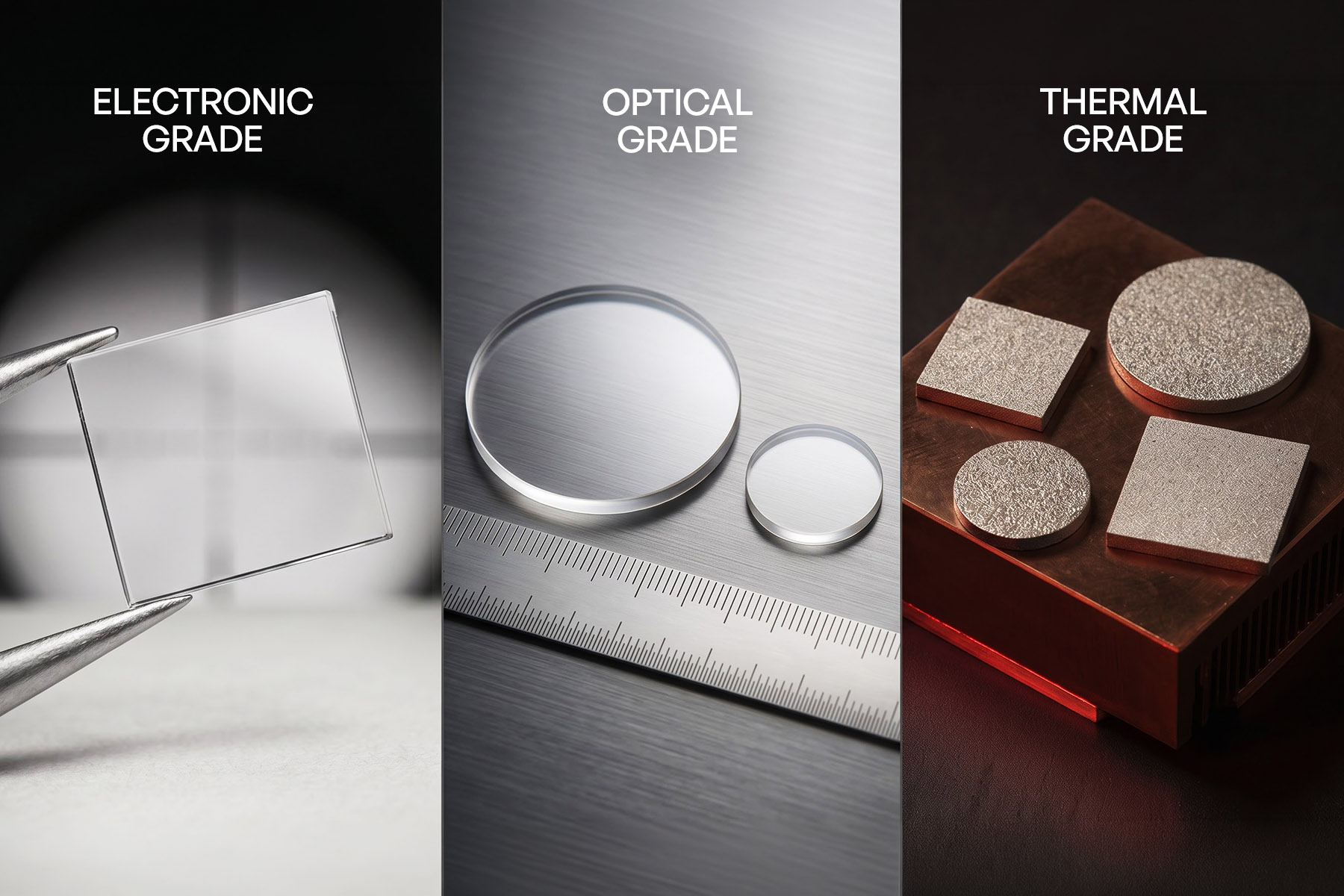
Be it electronics, semiconductors, laser systems or EV batteries, technology is advancing every moment. As devices grow more powerful, the demands on the materials inside them require an upgrade too. Whether that means withstanding higher electrical loads, transmitting light without distortion, or managing heat to keep performing. This is where the role of lab-grown diamond enters. Diamond plates come in different grades - electronic, optical, and thermal. Each of these grades are engineered for a different application. Choosing the right grade is what lets a diamond plate actually solve the problem your application is up against.
Though all three are grown from the same element in a controlled environment, each grade is tuned during growth to excel at different applications. Let us understand the key differences between electronic grade, optical grade , and thermal grade diamond plates in this blog.
About CVD Diamond Plates
CVD diamond plates manufactured using the MPCVD process are grown in a controlled lab environment. The process involves layer by layer build-up of diamond by depositing carbon atoms from a gas onto a seed. It continues until the seed gets converted to a solid diamond form. The final result is a flat diamond plate. CVD diamond plate comes in two structural types:
- Single-Crystal (SCD): These diamond plates feature a uniform and uninterrupted atomic lattice with zero grain boundaries. Growth takes place homoepitaxially, with the diamond seed serving as the substrate.
- Polycrystalline (PCD): In polycrystalline diamond plates, the atoms do not come in a structured form. They feature multiple small crystals with grain boundaries.
What are Grades in CVD Diamond Plates?
Lab-grown diamond plates for different industrial applications are primarily graded based on the purity, crystallographic orientation and optical/thermal properties. During the diamond growth process, there is a tendency of small imperfections to form in the crystal.
How many of these imperfections end up in the diamond depends on how carefully the growth is controlled:
- The gas mixture
- Pressure inside the chamber
- Energy of the plasma doing the growing
These help distinguish the electronic, optical, and thermal grade diamond plates.
Electronic Grade Diamond Plates
Electronic grade lab-grown diamond plates are ultra-high purity diamond plates manufactured especially for semiconductors and quantum applications. Their unique properties of electronic grade diamond plates including - wide bandgap, excellent thermal conductivity, high-electrical breakdown field and large room-temperature electron-spin coherence time (T2) makes them a promising material for advanced electronic devices and quantum technologies.

Key Properties
1. Wide bandgap
With a wide bandgap of ~5.45 eV, electronic grade lab-grown diamond plates operate efficiently under high voltages. In simple words, this allows diamond-based devices to withstand strong electric fields and operate efficiently under conditions that would be difficult for conventional materials to achieve. This is the main reason why electronic grade diamond plates can handle large amounts of energy without breaking down.
2. High Breakdown Field
Electronic grade diamond plates possess a high breakdown field of up to ~10 MV/cm. This significantly implies how strong an electric field a material can withstand before it fails electrically. The breakdown field of diamonds is high which makes it perfect for high-voltage and high-power devices.
Applications
All the different features of electronic grade diamond plates including wide bandgap, outstanding thermal conductivity, and high breakdown strength makes electronic grade diamond plates suitable for a wide range of advanced technologies, including:
- High-power semiconductor devices
- Power electronics
- Field-effect transistors (FETs)
- High-performance sensors
- Thermally efficient electronic devices
- Advanced electronic packaging and heat spreaders
- NV-center quantum sensing and secure communications
Optical Grade Diamond Plates
Optical grade lab-grown diamonds are proving their usefulness in high-performance optics. The growth of high-power laser systems, quantum optics, and harsh environment imaging has opened doors for high-purity and low defect single-crystal diamond plates. Optical grade diamond refers to the material with minimal crystal defects, low impurities and high surface flatness.

Key Properties
1. Wide Optical Transmission Window
Optical grade diamond passes light across an exceptionally broad spectral range from above deep UV (~227nm) to the far-infrared region. Though there are small absorption bands between 2.6 and 6.2 µm due to natural lattice vibrations, diamond manages to maintain excellent transmission.
2. High Transmittance and Refractive Index
With a refractive index of ~2.38, diamond offers high transmittance and low optical absorption. This allows light to pass with minimal energy loss resulting in superior signal quality and high-resolution optical performance.
3. Ideal Material for Raman Lasers
Diamonds possess exceptional nonlinear optical properties which makes them one of the most valuable materials for Raman lasers. With the highest known Raman frequency shift (1332.3 cm⁻¹), diamonds allow lasers to propagate with excellent beam quality and minimal optical loss.
4. Reliable Performance in Brillouin Lasers
Optical grade diamond plates are also proving to be strong material for Brillouin lasers. Since researchers first demonstrated this technology in 2015, diamonds have proven to show some potential for Brillouin lasers. This resulted in high-power outputs for advanced optical and communication applications.
Applications
The unique properties of optical grade diamonds makes them ideal for a wide range of high-performance applications. Some of the common applications of optical grade diamond plates include:
- Search and track system
- X-ray windows
- Lithography system
- Anvil cell
- Nonlinear lasers
- Optical coatings
- Optical waveguides
Thermal Grade Diamond Plates
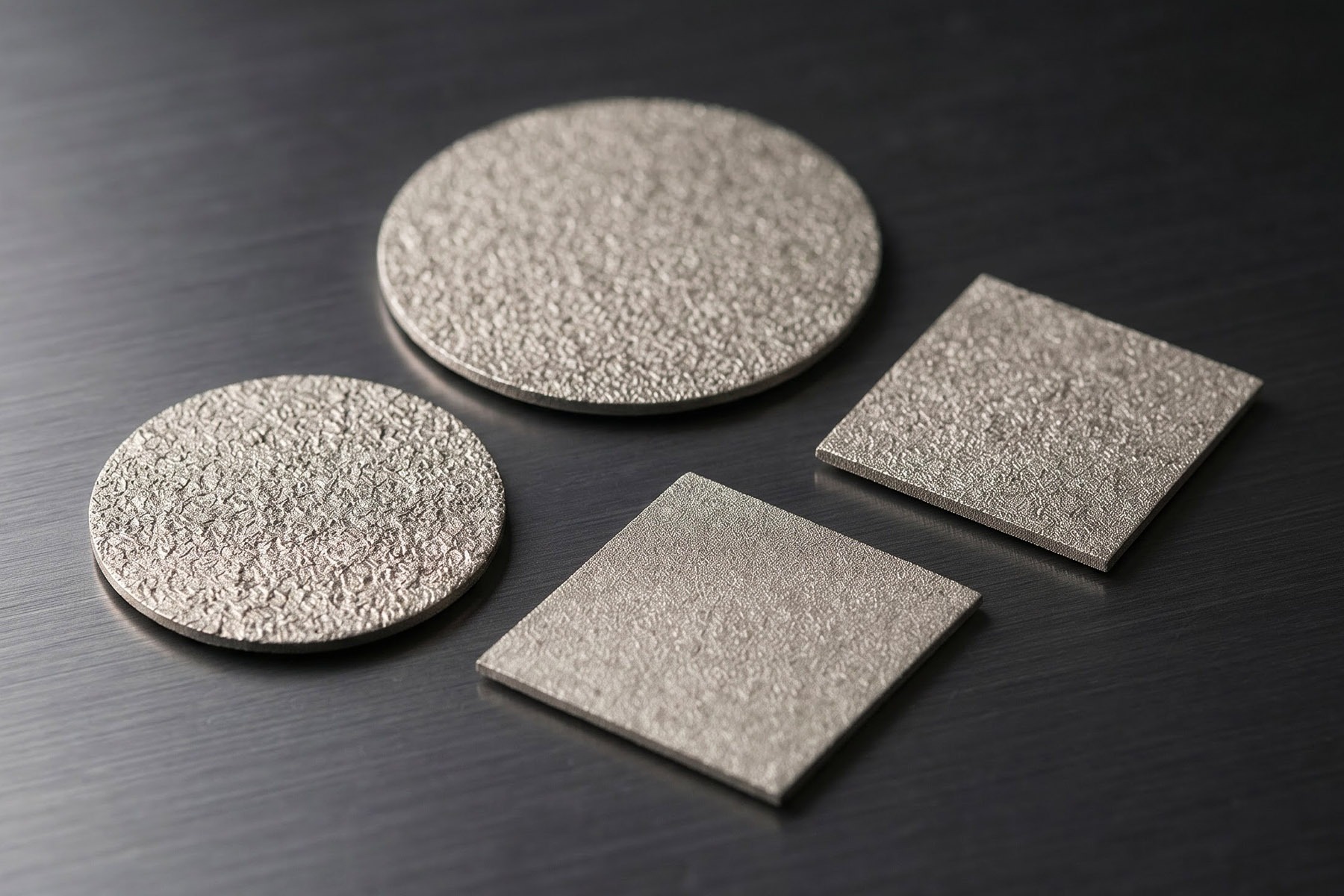
High-power transistors and LEDs involve a lot of heat during operation. With CVD diamond as a base (substrate),heat can be managed effectively allowing devices to perform to its full potential. Thermal grade CVD diamonds are lab-grown diamonds designed primarily to manage heat in sophisticated technology.
Key Properties
1. High Thermal Conductivity
The thermal conductivity of diamonds falls in the range of ~2000 to 2200 W/m K. This property results in excellent heat management and better operational efficiency.
2. Low Thermal Expansion
When exposed to heat, diamonds do not undergo massive expansion. With this the thermal stress gets reduced and the reliability of electronic components is improved.
3. Excellent Mechanical Strength
Diamonds have a Young modulus of approximately 900 GPa. This makes diamonds rigid and stable under demanding operating conditions.
Applications
The different properties of diamonds makes thermal grade diamond plates suitable for the following applications:
- Heat spreaders for high-power electronics
- Substrates for high-power transistors and LEDs
- Microwave and RF devices in telecom, radar, and satellite systems
- Thermal management in power devices
Electronic vs. Optical vs. Thermal Grade Diamond Plates
The table below highlights the key differences between electronic, optical and thermal grade diamond plates:
How To Choose The Right Diamond Plate
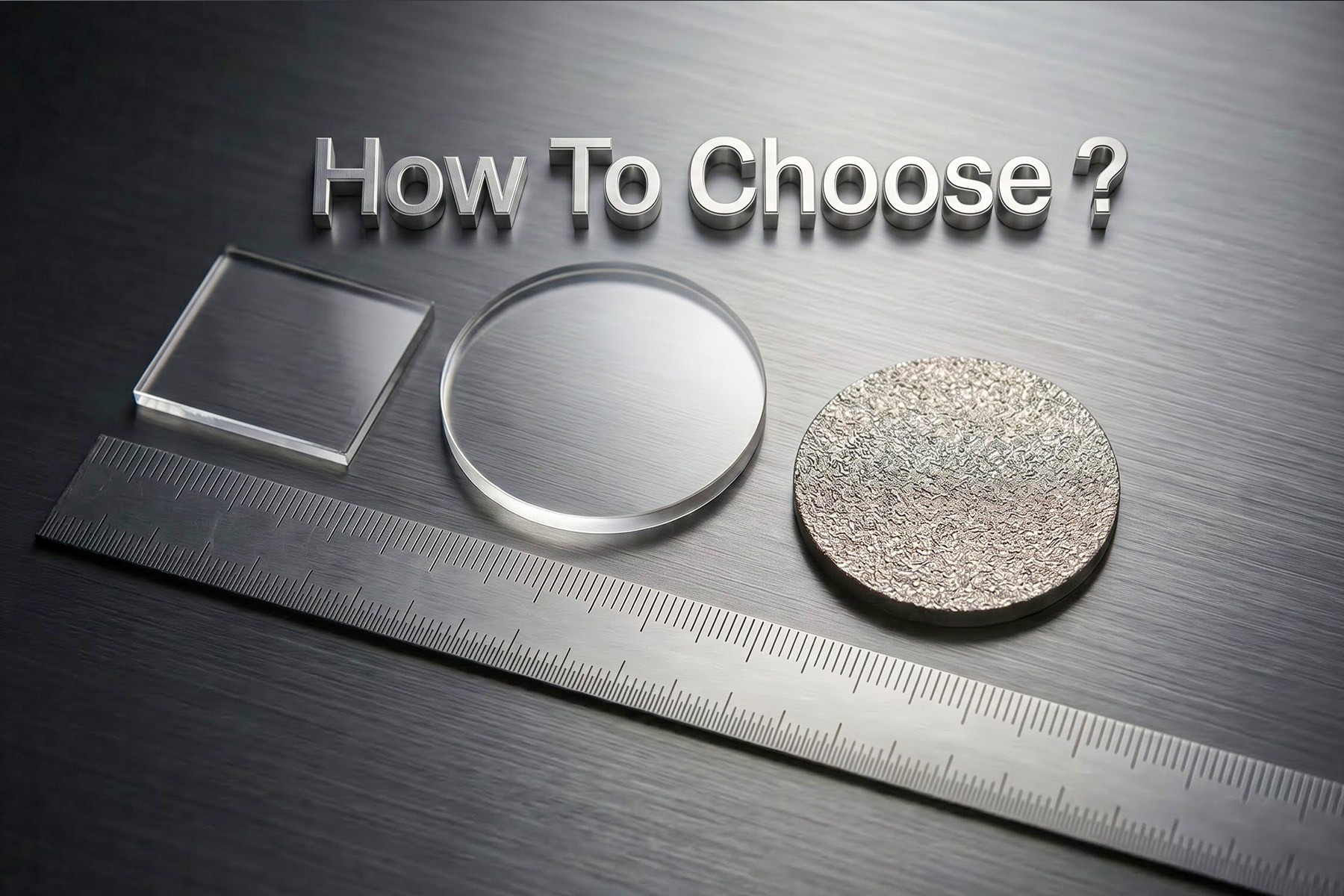
Before proceeding to purchase the right diamond plate, it is important to take into consideration several factors. It is not just about selecting the right diamond plate, it is also important to understand the application we need to use it for. In this section, let us look at the different factors to consider before choosing the right diamond plate.
1. Primary Application Requirement
The first step is to identify the main application requirement. Each grade of CVD diamond plates has different characteristics which makes them ideal for multiple applications. There are many reasons why diamond plates are chosen - to conduct heat, to transmit light and to perform electrically.
2. The Structure
The next step is to consider the structure of the diamond plate. The grade of diamond signifies the functional properties, whereas the structure highlights its use in a specific application. This is however subjected to dimensions of the active component in the application . The common structure of diamond plates include:
- Single-Crystal Diamond
- Polycrystalline Diamond
3. The Required Specifications
It is also important to consider the specification of the CVD diamond plate. The key factors to consider here are the following:
- Dimensions
- Surface finish
- Thermal performance
- Crystallographic orientation
It is important to ensure that the specifications match the applications which will help maximize the performance and reliability.
Precision Starts With The Right Diamond Grade
The crux of this blog is that CVD diamond plates are evolving to be a rising material. It is emerging as a reliable solution to overcome thermal, optical and electronic limitations of the traditional materials. The CVD growth process allows flexibility in terms of controlling impurities and grain boundaries at the atomic scale.
As technology is advancing day by day, the integration of diamond materials will drive innovation across different high-performance industries.
Frequently Asked Questions
Here are some interesting FAQs on CVD Diamond Grades:
“redefining one diamond layer at a time”
More Articles
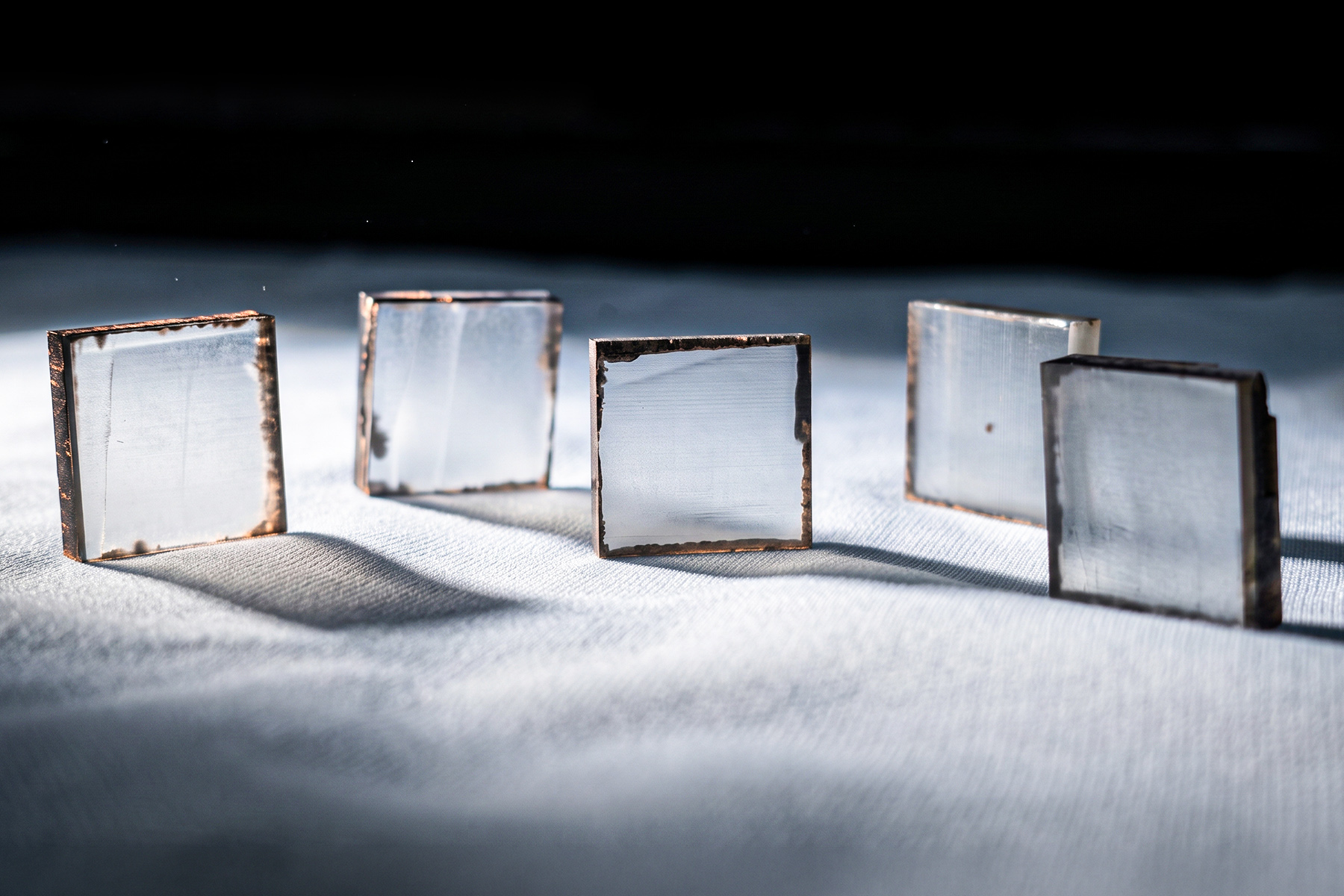




Aga9 Systems is a lab-grown diamond manufacturing company dedicated to harnessing the valuable properties of CVD diamonds for industrial applications. We at Aga9 Systems manufacture more than lab-grown diamond plates, we are dedicated to creating brilliance ethically, sustainably and with maximum resource efficiency.