
Diamond Scalpels for Ophthalmic Surgery
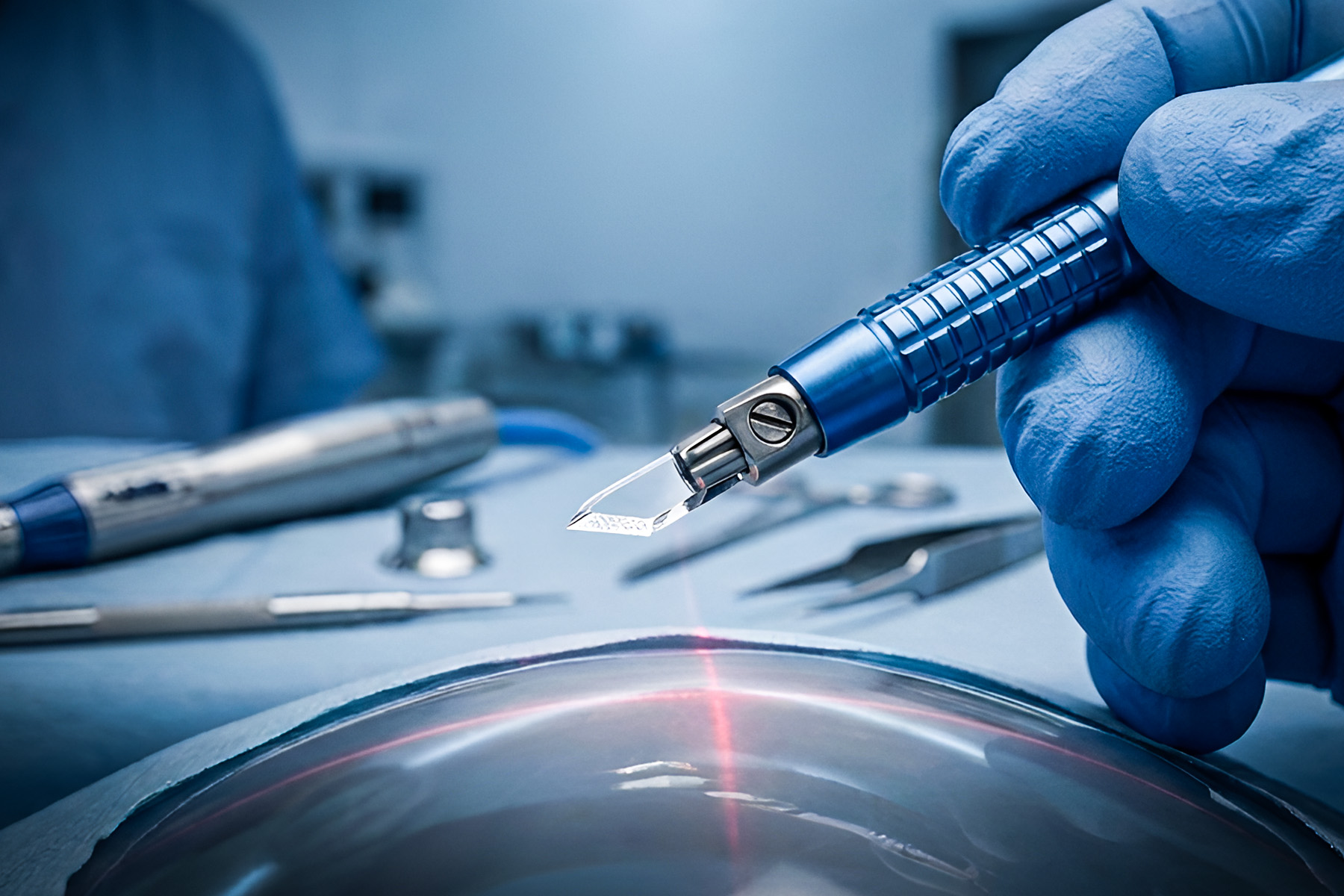
Did you know diamonds can help with surgical procedures? The eye is a critical area where precision holds absolute paramount. Since ophthalmic surgery is related to the eye - it becomes a matter of vision and safety. Ophthalmic surgeries are operated at a scale measured in micrometres. This means that even the slightest deviation can lead to lasting consequences for a patient's sight. Hence, making the right choice of surgical instruments is crucial.
The rise of CVD diamonds have made diamond scalpels the gold standard for multiple ophthalmic procedures. Made from single crystal diamonds, these blades offer a level of sharpness, durability, and consistency that no other material can match.
In this blog, we will talk about how diamond scalpels can prove to be valuable in modern day eye surgery procedures.
About Diamond Scalpels
Diamond scalpel is an instrument designed using CVD diamonds that represents material science and mechanical engineering. These scalpels utilize the unique properties of carbon atoms arranged in diamond crystal structure and offer remarkable hardness, thermal conductivity and chemical stability. Since diamond scalpels are carefully polished, they can be shaped to precise geometries featuring sharp edges. Hence, the lifespan of diamond scalpels is higher. This characteristic helps deliver ultra-precision cuts, making them a compelling advancement in surgical tool technology.
The result? Cleaner and more precise cuts both at the microscopic level and their geometric structure. This characteristic holds paramount importance when dealing with procedures such as cataract, refractive and glaucoma.
The exceptional sharpness, precision and durability of diamond scalpels make them valuable for delicate surgical procedures.
Advantages of Diamond Scalpel Over Other Materials

The remarkable precision of diamond scalpels and superior sharpness is proving valuable in today's modern surgery procedures. As compared to traditional materials, lab-grown diamonds result in ultra-clean incisions without causing any damage to extra tissue area. This section covers the advantages of why diamond scalpels have an edge over other materials:
a. The Atomic Structure
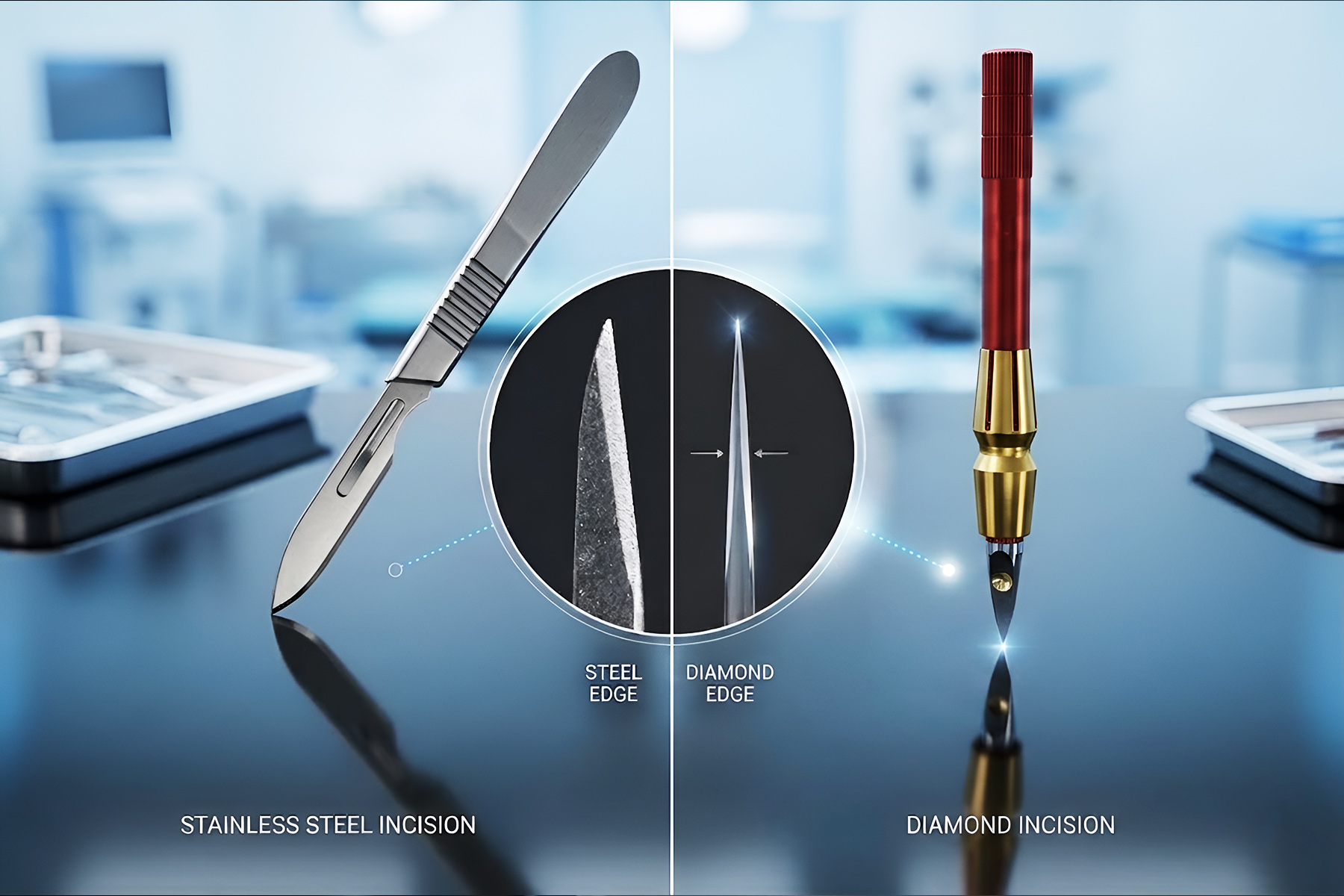
Diamond's tightly bonded in a diamond cubic lattice structure allows it to achieve an atomically smooth cutting edge, far sharper than steel, which is limited by its carbide content and jagged microscopic profile. This molecular precision means diamond blades part individual cells cleanly rather than tearing through them, minimizing surgical damage.
b. Mechanical Properties
Diamonds also possess exceptional mechanical hardness and for the given hardness the mass of the diamond remains less when compared to the other materials. Less scalpel material with great sharp edges ensures no damage to adjacent ocular structure. Due to their mechanical properties, diamond scalpels have a shorter physical geometry compared to tungsten carbide and surgical steel alloys, offering an added advantage.
c. Excellence in Ophthalmology
Ophthalmology is one area where the use of diamond scalpels has grown since eye surgeries require extreme precision. In operations like cataract surgery and radial keratotomy, how well the cut is made directly affects how well the patient can see afterward.
Key Applications in Ophthalmic Surgery
This section highlights the main applications in ophthalmic surgery where diamond scalpels play a key role:
a. Cataract Surgery
A sharp cutting instrument is an important tool for surgeons. Though stainless steel has been the preferred choice till date, diamond knives are emerging to be much sharper. The sharpness of these blades allow surgeons to create highly precise, smooth, and well-defined beveled incisions.
The final result? It ensures excellent wound edge apposition and improved healing outcomes.
The diamond knife is said to be safe for use for cataract surgery. It allows for a perfectly placed bevelled incision which is impossible to achieve with a steel knife.
b. Corneal Transplants
Corneal transplant also known as keratoplasty is the process of replacing damaged or scarred cornea. The diamond scalpel has a critical role to play in the process of corneal transplantation since the precision of every incision is extremely critical. Diamond knives are used for such processes as they offer ultra-sharp and smooth cuts without causing any tissue damage.
c. Limbal Relaxing Incisions
Limbal Relaxing Incisions is a procedure that provides the surgeon with a tool to improve the quality of the patient's vision. Diamond scalpels play a crucial role here and are considered to be a classical instrument for this process. This is because incisions made closer to the limbus require precise instruments. Plus the presence of blood vessels and other pathological features makes laser-based techniques less suitable.
d. Corneal Trephination
Corneal transplantation is the process of replacing the infected corneal tissue with normal corneal tissue. Considered to be the most important operations in ophthalmology, the precision of the trephination cut is crucial for post-operative astigmatism. Diamond knives are considered to be an excellent tool for accurately completing and refining this incision.
The Growing Diamond Scalpel Market
The global diamond scalpel market is said to expand owing to the increasing demand for ophthalmic surgery and cosmetic dermatology. In 2025, the market size of the diamond scalpel market was valued at $11.4 billion. The market is said to grow at a Compounded Annual Growth Rate (CAGR) of 6.2%.
Despite the growing popularity of diamond scalpels they are faced with certain challenges including high production costs and stringent regularity frameworks. Nevertheless, there are continuous innovations going on in the diamond scalpel technology which will effectively address these challenges.
How AGA9 Systems Diamond Plates Are Beneficial for Diamond Scalpels?
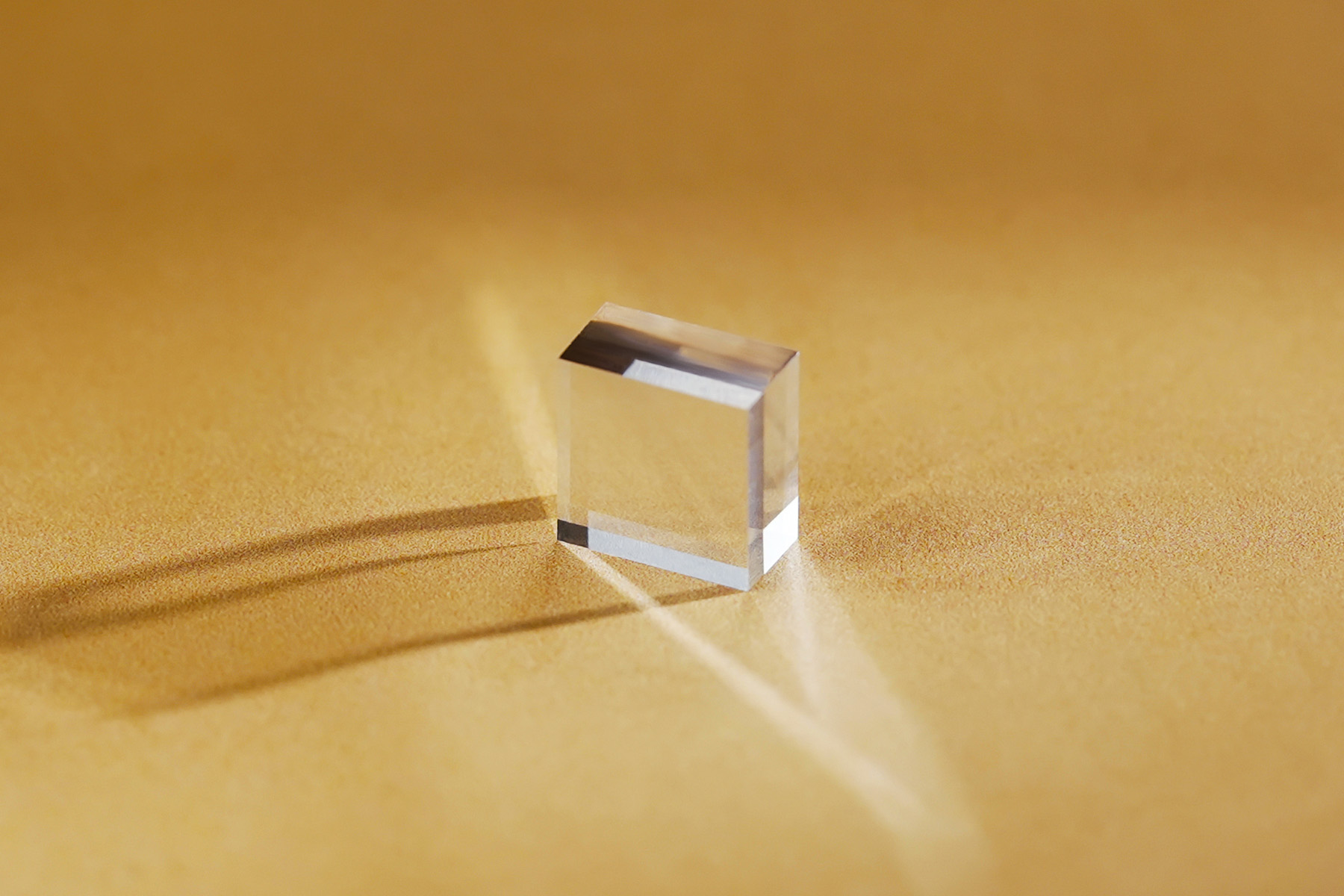
AGA9 Systems manufactures high-purity CVD diamond plates that serve as an ideal raw material for producing precision diamond scalpels. Here is why they stand out:
1. Minimum Impurities
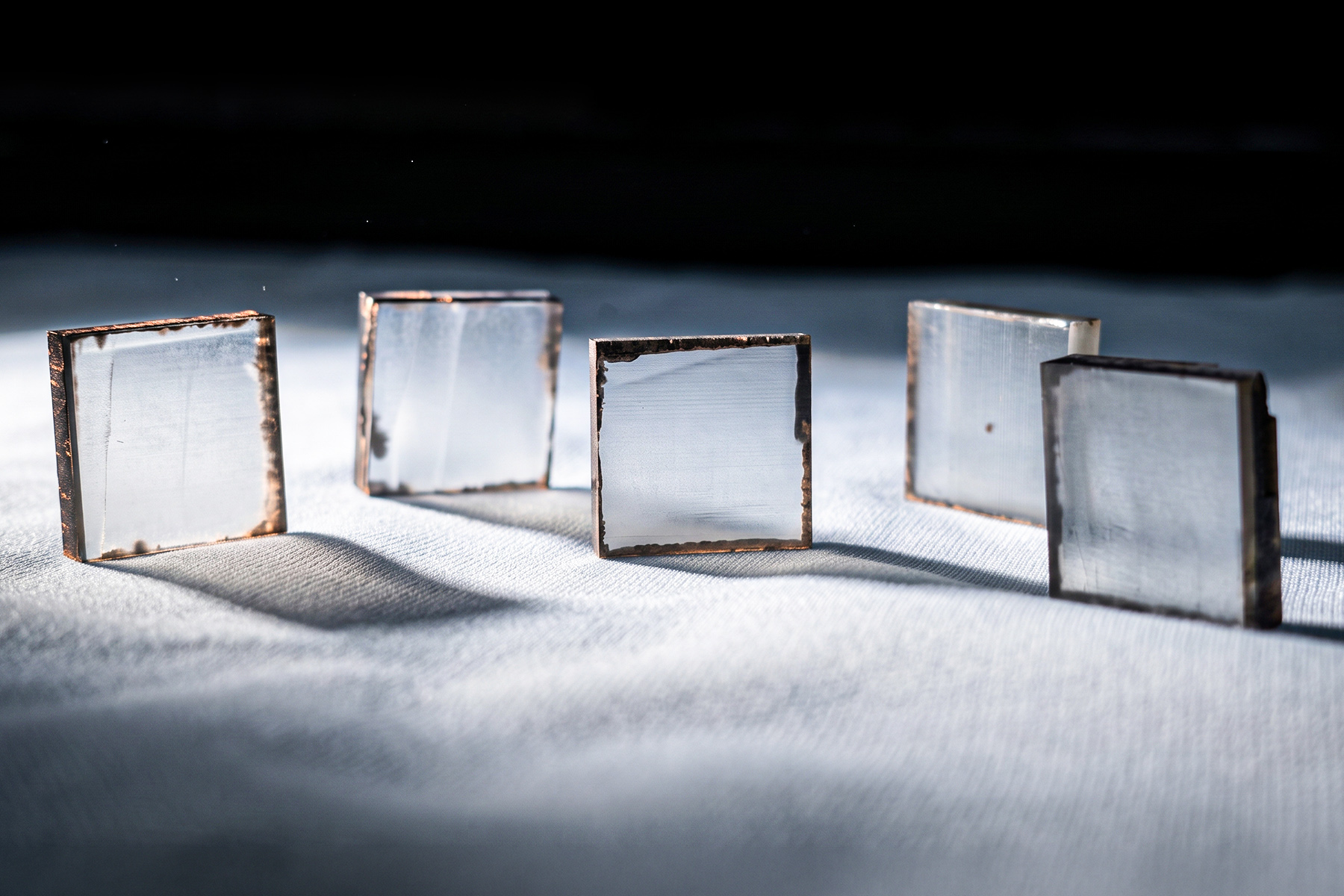
AGA9 Systems single crystal diamond plates feature uniform crystal lattice, minimal impurities and achieve a surface roughness of 10nm. This results in smooth edges that microsurgical scalpels demand.
2. Highly Durable
With a rating of 10 on the Mohs scale, AGA9 Systems diamond plates are wear resistant and chemically resistant. This provides diamond scalpel with an ability to stay sharp without causing any degradation.
To discover more product options and our varied diamond plate offerings, please visit our website: https://aga9.tech/
Final Takeaways
In conclusion, diamond scalpels are an important advancement in ophthalmic surgery. Their ability to create smooth and accurate incisions helps surgeons achieve greater control during procedures. It also helps minimize tissue trauma and results in better healing.
There are multiple diamond blades available for different forms of ophthalmic surgery. Each of the different types is designed specifically to enhance the ophthalmologists' surgical performance. Blades made using metallic material are not sharp enough to deal with the delicate demands of surgical procedures.
The growth of synthetic diamond is rising and hence diamond scalpels will continue to play a valuable role in enhancing ophthalmic surgical performance, precision, and patient outcomes in modern eye care.
Frequently Asked Questions
“redefining one diamond layer at a time”
More Articles



Aga9 Systems is a lab-grown diamond manufacturing company dedicated to harnessing the valuable properties of CVD diamonds for industrial applications. We at Aga9 Systems manufacture more than lab-grown diamond plates, we are dedicated to creating brilliance ethically, sustainably and with maximum resource efficiency.