
Aga9 Systems Lab-Grown Diamond Plates

The remarkable properties of diamonds extend beyond the world of jewelry. Diamond is said to be the hardest of all substances. The multiple properties of diamonds from its hardness, thermal conductivity to chemical inertness are proving to be an effective material for scientific, industrial, and technological applications. At Aga9 Systems, we focus on employing the use of chemical vapor deposition (CVD) diamonds tailored for advanced industries.
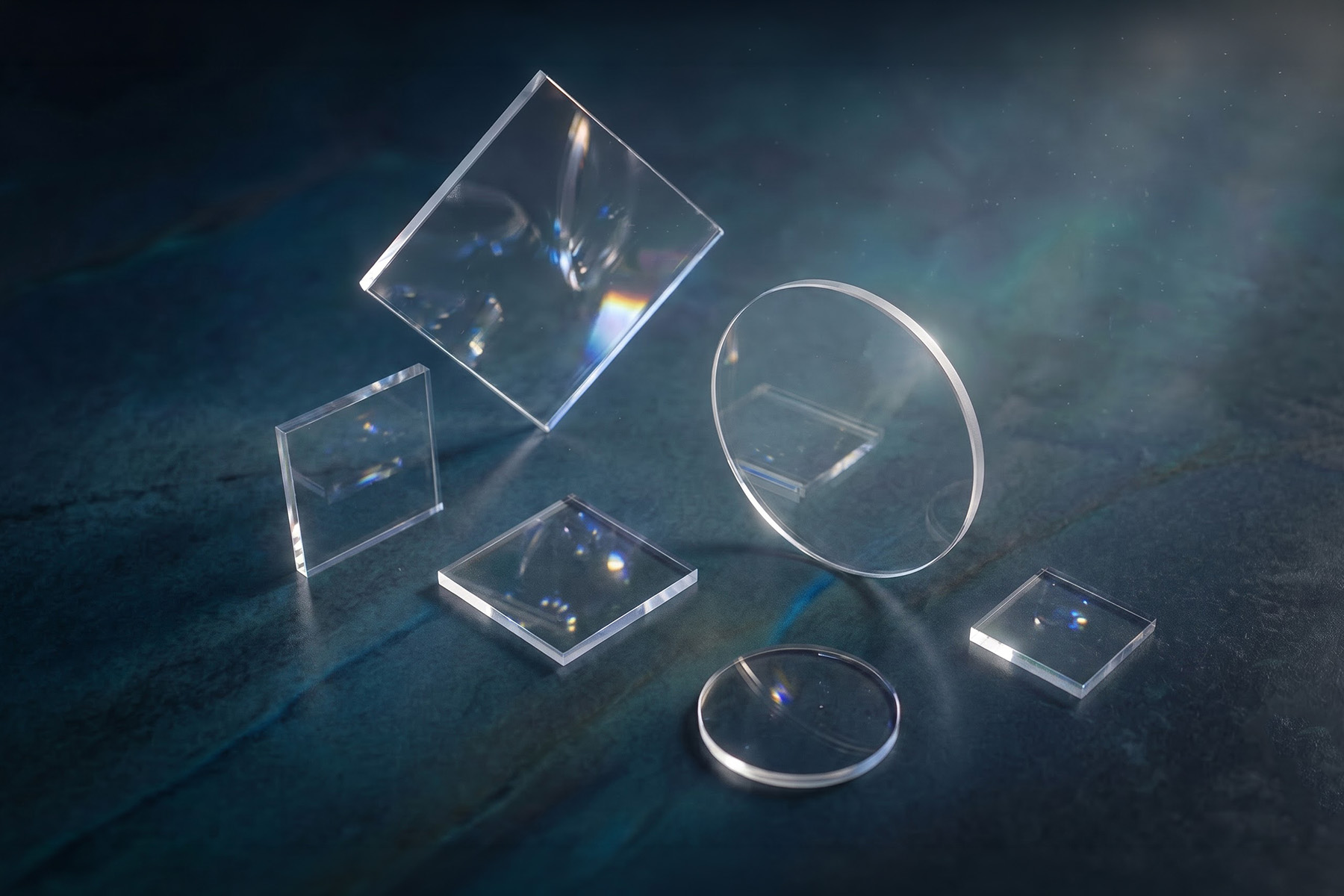
This article will provide insights on our core product offerings: Single Crystal Diamond Plates, Polycrystalline Diamond Plates and Diamond Wafers. We will understand what each type means, their unique properties, and the varied diamond plate offerings by Aga9 Systems.
The Product Offerings by Aga9 Systems
Aga9 Systems offers a diversified portfolio of diamond plates in both single crystal and polycrystalline forms. Each of this type is manufactured using advanced CVD technique but they slightly differ in their resultant properties. Let us briefly understand each of them below:
Single Crystal Diamond Plates

Single crystal diamonds are a process of growing the diamond material layer by layer from a gas through the microwave plasma chemical vapor deposition method. These are proving to be an exceptional material for future power electronics and quantum devices. Applications involving high voltage, high temperature and high frequency are areas where single crystal diamonds can prove to be valuable.
Aga9 Systems single crystal diamond plates possess unparalleled physical properties which makes them ideal for applications with high voltage, extreme temperatures, and high-frequency operation.
Key Properties of Aga9 Systems Single Crystal Diamond Plates
1. A Well Defined {100} Crystal Orientation
The arrangement of atoms or crystal planes within a crystalline material is referred to as crystal orientation. The single crystal diamonds offered by Aga9 Systems have a surface orientation of {100} which makes it easy and smooth to polish. This well-defined orientation ensures consistent performance, particularly in demanding electronic and optical devices.
2. Over (>70%) Infrared Transparency
Aga9 Systems Single crystal diamond plates have a remarkable infrared transparency that is greater than 70%. This means that more than 70% of light can easily pass through them. This characteristic is highly beneficial for the construction of optical windows, lenses and sensors requiring minimal signal loss in the infrared spectrum.
3. Excellent Level of Purity
The structural integrity and performance of diamonds in high-tech applications is influenced by its level of purity. The technique of Raman spectroscopy helps analyze the structural integrity and purity of diamond materials. This analysis can accurately help confirm the presence of pure sp3-hybridized carbon. The information on purity is a crucial parameter for industrial users since a highly pure diamond means excellent hardness and chemical stability.
In the case of single crystal diamonds, crystal purity (sp3-carbon only) can be directly confirmed through Raman spectroscopy. The presence of only sp3-hybridized carbon atoms, as revealed by this technique, is an indicator of extremely high purity in single crystal diamond plates.
4. Low Nitrogen Impurity
The presence of nitrogen is the most common impurity seen in diamonds and has a negative impact on its physical property. The nitrogen level of single crystal diamonds is as low as 1 ppm (part per million). In short, 1 ppm means for every million parts of diamond there is only 1 part of nitrogen.
5. Highly Structured and Ordered Arrangement
Single crystal diamond plates have a highly ordered and well-organized atomic arrangement, giving them superior physical properties.
Polycrystalline Diamond Plates (PCD)

The arrangement of atoms in polycrystalline diamond plates is not structured like single crystal diamonds. Instead polycrystalline diamonds feature multiple small crystals with grain boundaries and different orientations.
Polycrystalline diamond wafers can be grown in different sizes and thicknesses ranging from 50 mm to 100 mm size and thicknesses of 0.3 to 0.5 mm.
The large size diamond wafers can easily be adopted for the development of heat-spreaders which is a key component for high-power computing devices.
Key Properties of Aga9 Systems Polycrystalline Diamond Plates
1. Scalable Dimensions For Better Product Design
CVD diamond manufacturing enables the growth of large sized polycrystalline diamond plates for industrial applications where there is a need for bigger surface area.
2. Versatile Uses Across Multiple Industries
- Heat Spreader in Semiconductors: Effective thermal management is the need of the hour as semiconductor devices are becoming smaller and more powerful. The heat spreaders made of polycrystalline diamond plates serve as effective heat spreaders.
- Machine Tool Development: Advanced machine tools require a material with extreme hardness and wear resistance for their production. Here is where polycrystalline diamond plates are the best option to go for. Deployed for constructing cutting, grinding and dressing tools, polycrystalline diamond plates can help maintain the sharpness far better than conventional materials.
- Electrochemical Applications: The chemical stability of polycrystalline diamond plates makes them a perfect fit for electrochemical applications. The unique surface properties of these diamond plates provides a wide electrochemical potential window and provides high-performance and long-lasting electrodes for demanding industrial and research environments.
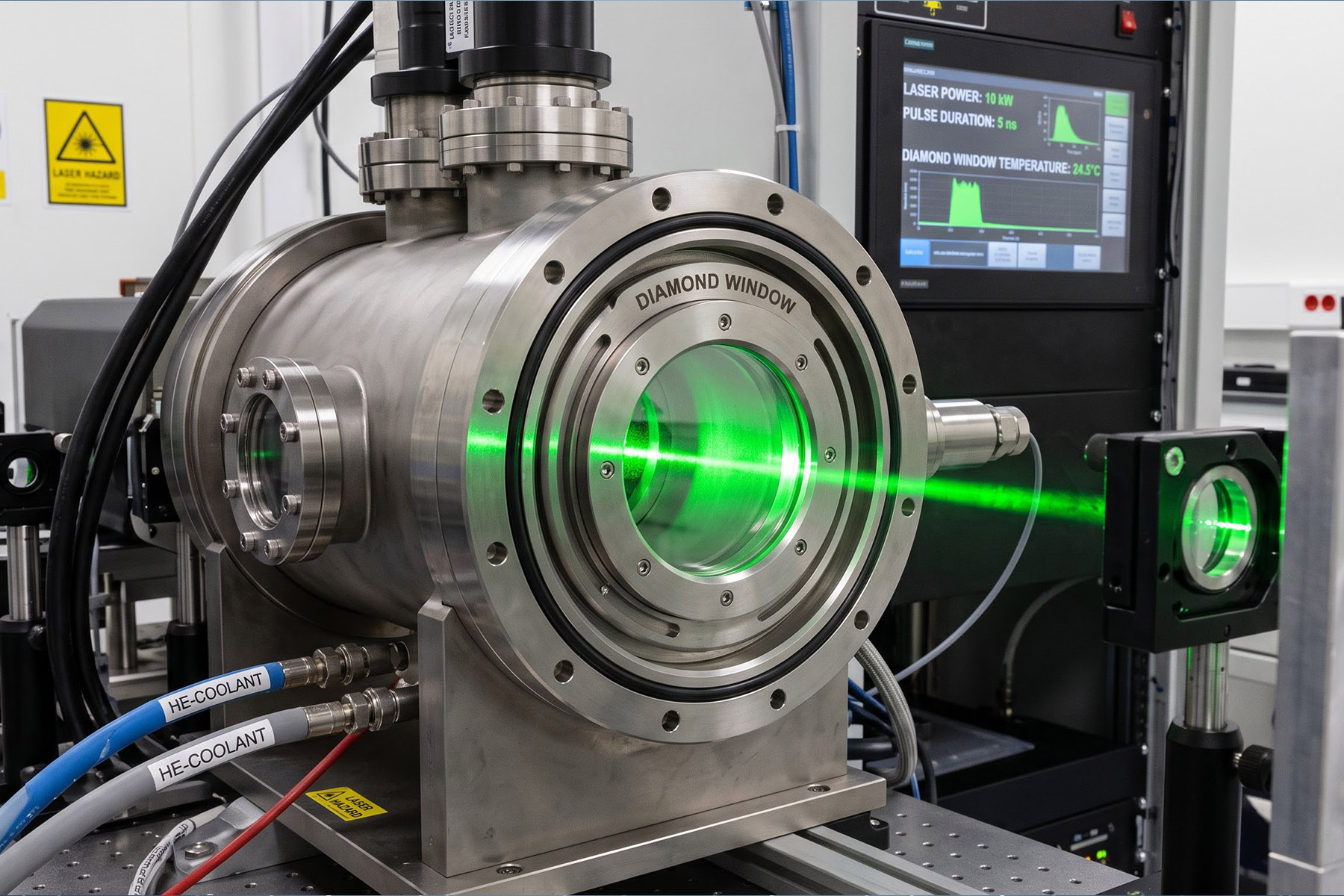
- Optical windows of large size: Polycrystalline diamond plates are proving to be a good option for large optical windows. The superior optical transparency and outstanding strength ensures minimal distortion and offers superior transmission.
3. Exceptional Crystal Purity
Polycrystalline diamond plates also showcase excellent crystal purity. The process of Raman spectroscopy is a structured process confirming that the material is made entirely of sp3-hybridized carbon atoms. This ensures renowned hardness and stability of the diamond.
4. High Thermal Conductivity Ensures Efficient Heat Management
The thermal conductivity of polycrystalline diamond plates is excellent and often exceeds 800 W/mK. Though this value is lower than single-crystal diamonds, it is far superior than conventional materials such as copper, aluminum nitride and aluminum. This makes them a high conductivity material and a perfect fit for dissipating heat in industrial and electronic applications.
5. Large Sized Diamond Wafer
CVD diamond plate manufacturing techniques have made it possible to manufacture large sizes of diamond wafers which can be tailored as per individual business requirements. Aga9 Systems polycrystalline diamond plates can be manufactured with a maximum diameter of 50mm that makes it perfect for businesses that require large sized diamond wafers.
Final Words
In conclusion, Aga9 Systems advanced CVD diamond products are here to help businesses leverage the power of technology. From single crystal diamond plates to polycrystalline diamond plates and wafers, we offer these plates in customizable sizes and thicknesses.
Unmatched purity, excellent thermal conductivity, and customizable size and thicknesses, are some of the positive attributes of Aga9 Systems diamond plates. This makes them a green and sustainable option for most demanding requirements in electronics, optics, and quantum applications.
Frequently Asked Questions
“redefining one diamond layer at a time”
More Articles
%20vs%20(110)%20vs%20(111).jpg)


Aga9 Systems is a lab-grown diamond manufacturing company dedicated to harnessing the valuable properties of CVD diamonds for industrial applications. We at Aga9 Systems manufacture more than lab-grown diamond plates, we are dedicated to creating brilliance ethically, sustainably and with maximum resource efficiency.