
Understanding Single-Crystal Diamond Plates
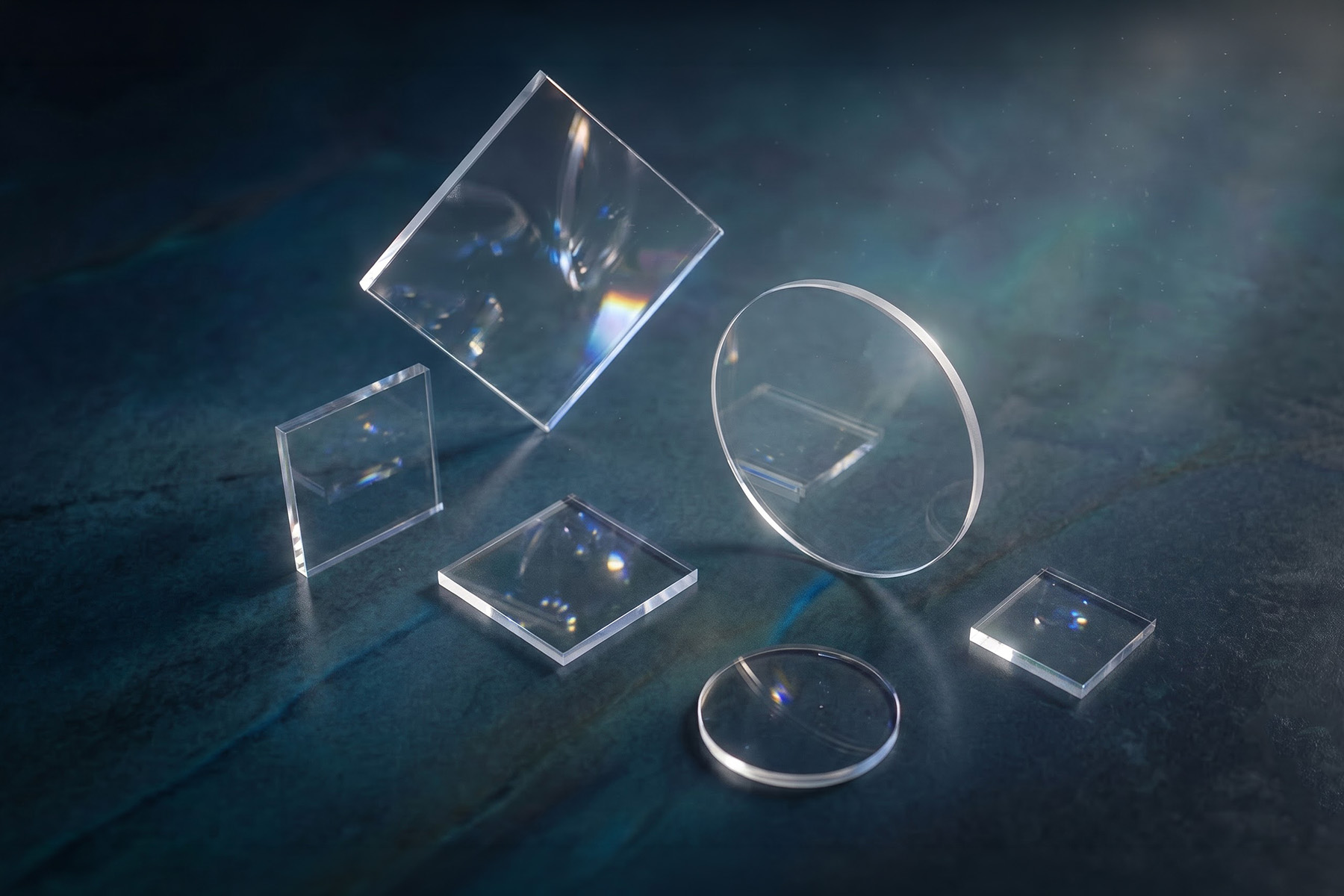
The biggest bottleneck faced by electronic devices today is the management of heat since devices are becoming faster, smaller and more powerful. Inside some of today's most advanced technologies - quantum devices, high-power and high frequency electronic devices, and radiation detectors, single crystal diamond plates are becoming an important candidate for such applications. It is a plate grown from one continuous crystal having no internal grain boundaries.
Single-crystal is the purest, highest-performing form, grown in the lab, atom by atom, through chemical vapor deposition (CVD). In this article, we shall explore what single-crystal diamond plates are, how they are grown, their key properties, and why they have become the foundation to modern technology.
About Single-Crystal Diamond Plates
Single-crystal diamond plates are diamond substrates grown atom by atom using the Chemical Vapor Deposition (CVD) growth process. Most high-quality single-crystal diamond plates are made by chemical vapor deposition (CVD). SCD plates feature a continuous and uninterrupted crystal lattice across the entire plate. The workhorse method for growing single-crystal diamond plates is microwave-plasma CVD (MPCVD) using homoepitaxial growth.
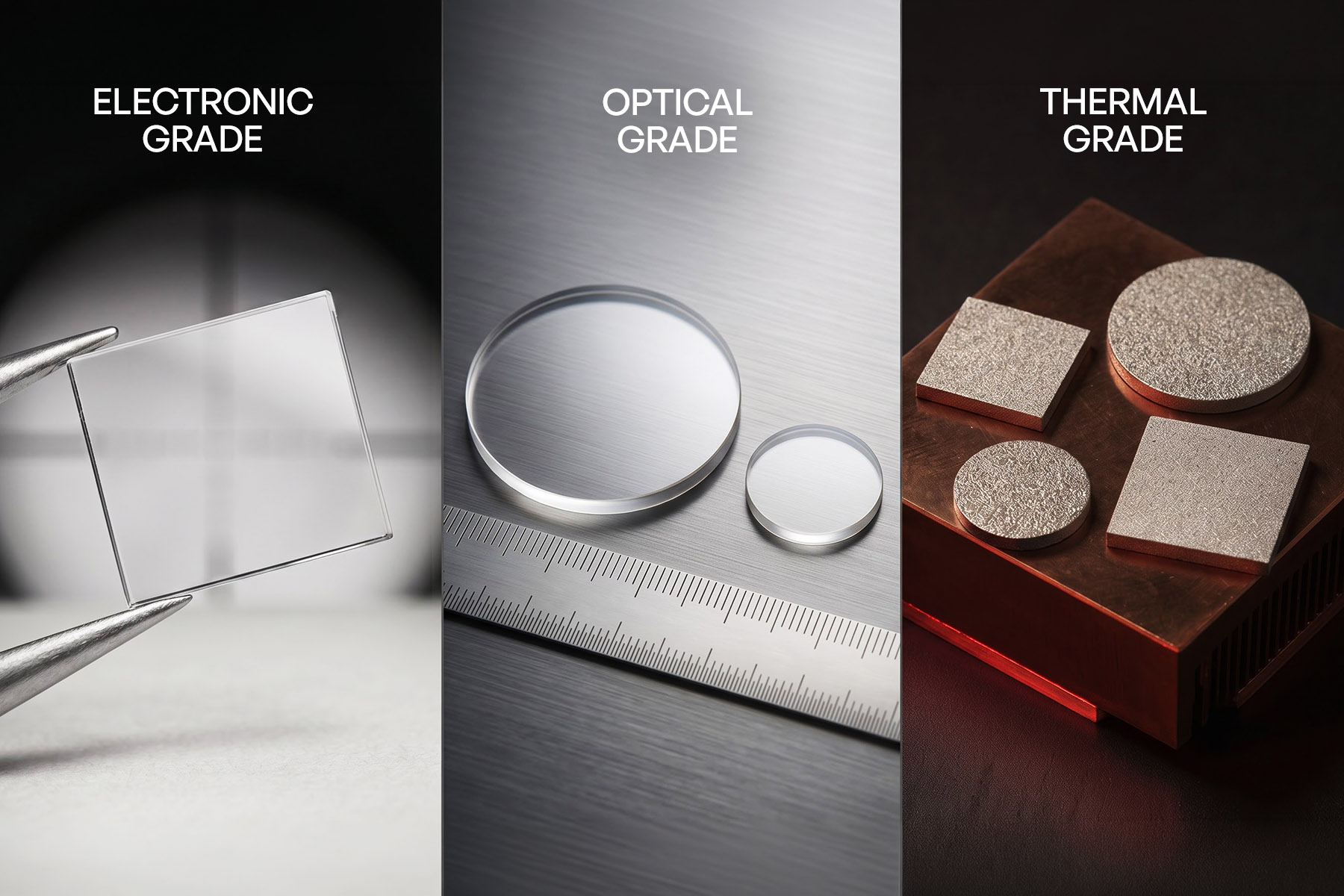
In this process, the diamond is grown on top of an existing diamond seed that is responsible for setting the crystal orientation. Single-crystal diamond plates are offered in different grades including - optical grade, mechanical grade, electronic grade and thermal grade.
These are also available in different crystal orientations including (100), (111) and (110) based on the intended application.
Key Characteristics
- Single-crystal diamond plates feature no grain boundaries
- These are ultra-high purity diamond plates
- They offer controlled (100) or (111) crystallographic orientation
- Upon polishing they can achieve exceptionally smooth surface finish
Key Properties of Single-Crystal Diamond Plates
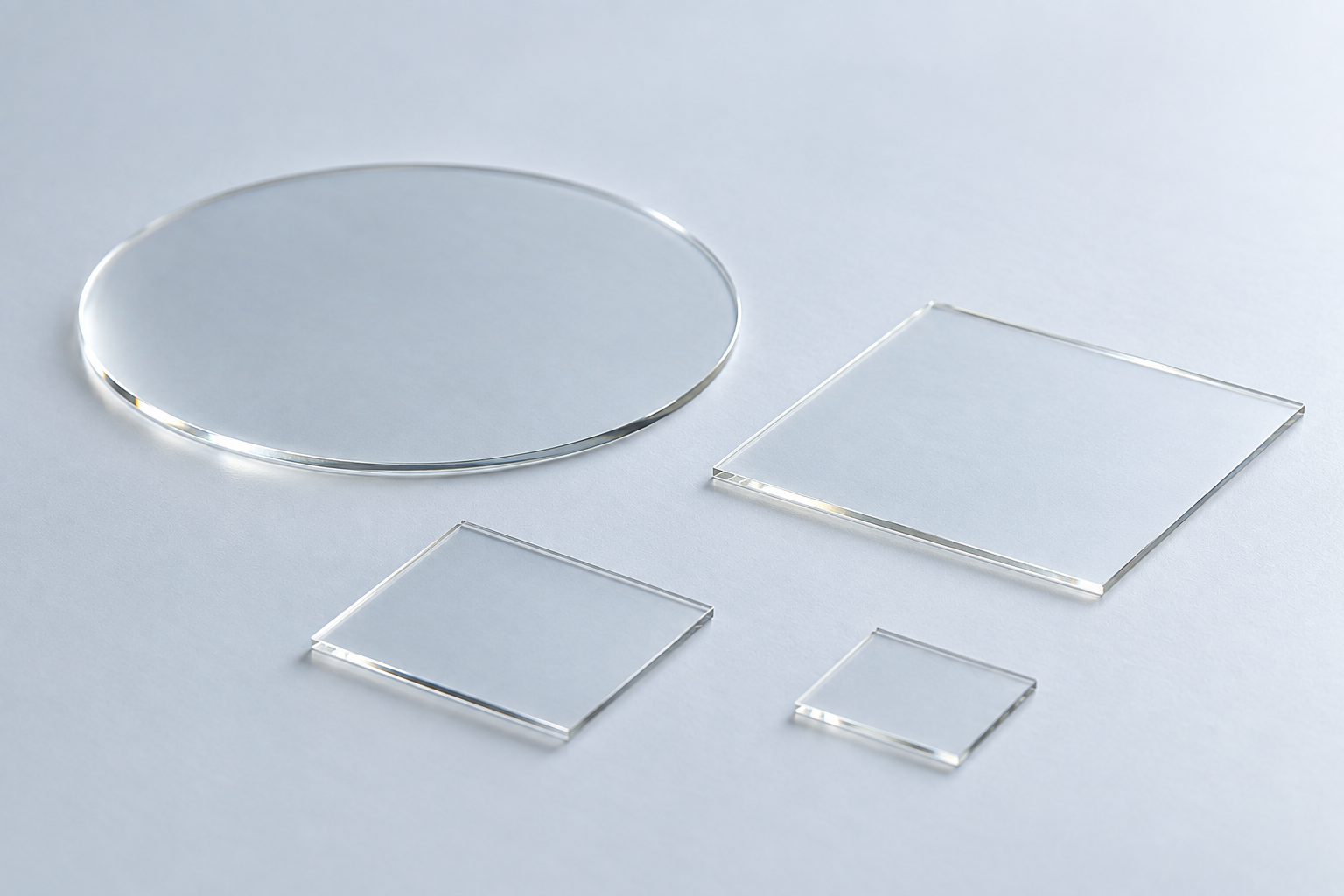
In this section, let us understand the key properties of single-crystal diamond plates:
1. High Thermal Conductivity
The thermal conductivity of single-crystal diamond plates is the highest when compared to any other bulk material which is in the range of 1800 to 2200 W/m.K. Single-crystal diamond plates with ultra-high purity have thermal conductivity that is five times higher than copper and thirteen times higher than silicon. The advantage of this is that it can drive away heat faster than any other conventional material despite operating under intense load.
2. Low coefficient of Thermal Expansion
Single-crystal diamond plates have a low coefficient of thermal expansion. This simply means that single-crystal diamond plates can efficiently maintain their size and shape despite being exposed to repeated heating and cooling.
Hence, high-power semiconductor devices will benefit from diamond substrates as they can help remove heat, keep the devices cooler and help reduce the risk of damage due to temperature fluctuations.
3. Ultra-Wide Bandgap
The bandgap of diamonds stands at 5.47 eV while its breakdown electric field strength is at 10 MV/cm. This makes them stand out from traditional semiconductor materials such as silicon and silicon carbide. Furthermore, under conditions of extreme voltage, frequency and temperature, it allows for stable operation.
4. Excellent Optical Transparency
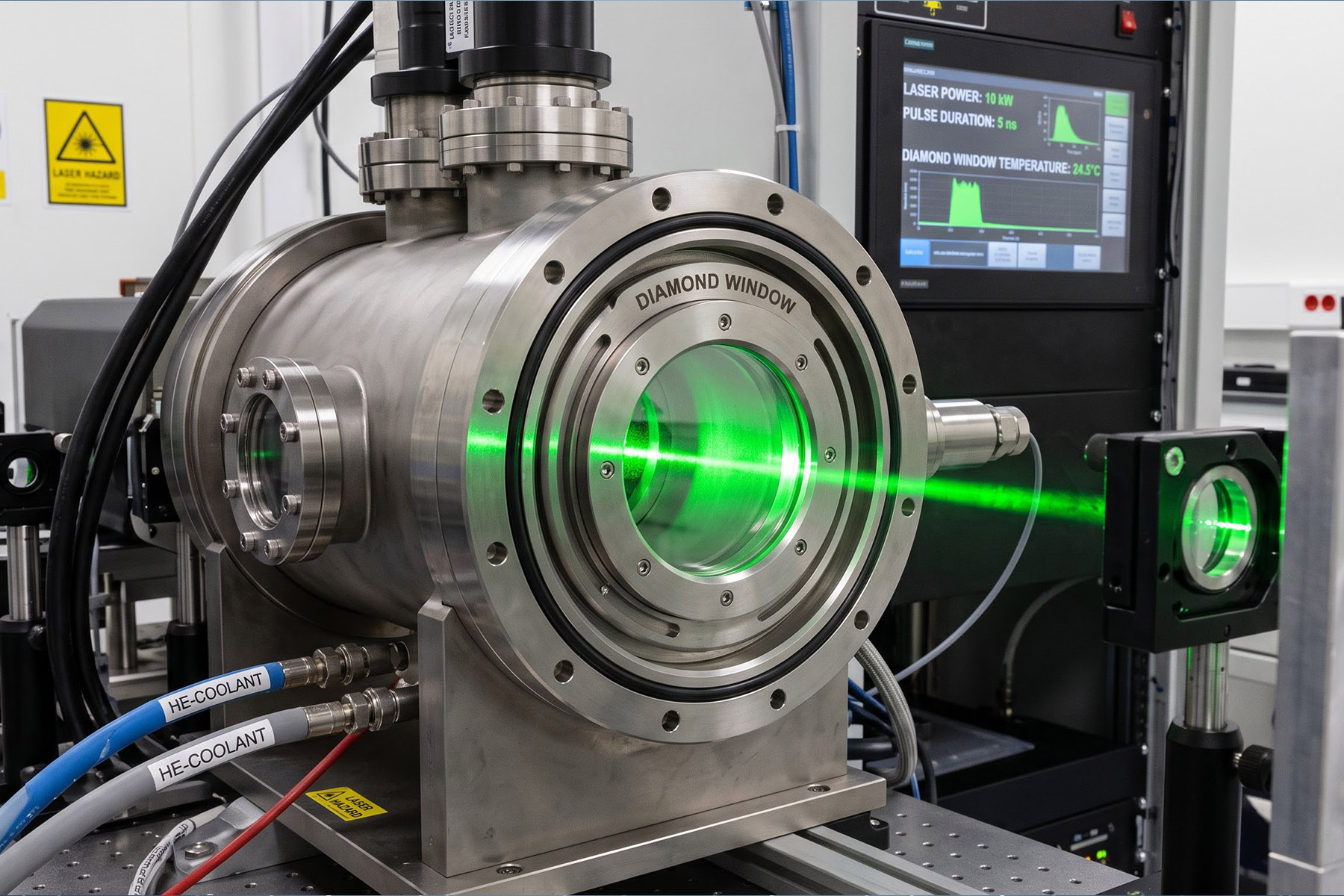
Diamond can pass an unusually wide range of light through it ranging from ultraviolet (around 225 nm) all the way to deep infrared (25 μm). That's far more of the light spectrum than everyday optical materials like glass can handle.
There are three qualities of diamonds that makes them a preferred choice for optics including:
- High percentage of light passes through, resulting in very little wastage
- The beam barely scatters the light
- Resistant to radiation
- Faster heat dissipation
- Great mechanical strength
Benefits of Single-Crystal Diamond Plates
1. No Grain Boundaries
The main advantage of single-crystal diamond plates is that they have no grain boundaries. Grain boundaries are areas that contain defects and impurities which affect the heat transfer and reduce the movement of electrical charges. The continuous and uniform crystal structure allows for efficient movement of heat.
In addition, single-crystal diamonds also ensure uniform heat spreading. In simple words, heat can travel faster and move quickly away from localized hot spots and across the entire surface, helping electronic devices operate more reliably.
2. Electronic and Semiconductor Properties
The CVD growth process provides single-crystal diamond plates with ultra-high purity and extremely low defect concentrations. This makes them highly useful for quantum technologies. Also, the carrier mobility and optical transparency of single-crystal diamond plates are excellent.
3. Superior Polishing
It is possible to achieve a smooth and even surface finish with single-crystal diamond plates. The uniform crystal orientation of single-crystal diamond plates ensures even polishing and also helps achieve a flat and smooth surface. Such smooth surfaces are beneficial in the following areas:
- Wafer bonding
- Optical applications
- Low-resistance path for heat transfer
Real-World Applications of Single-Crystal Diamond Plates
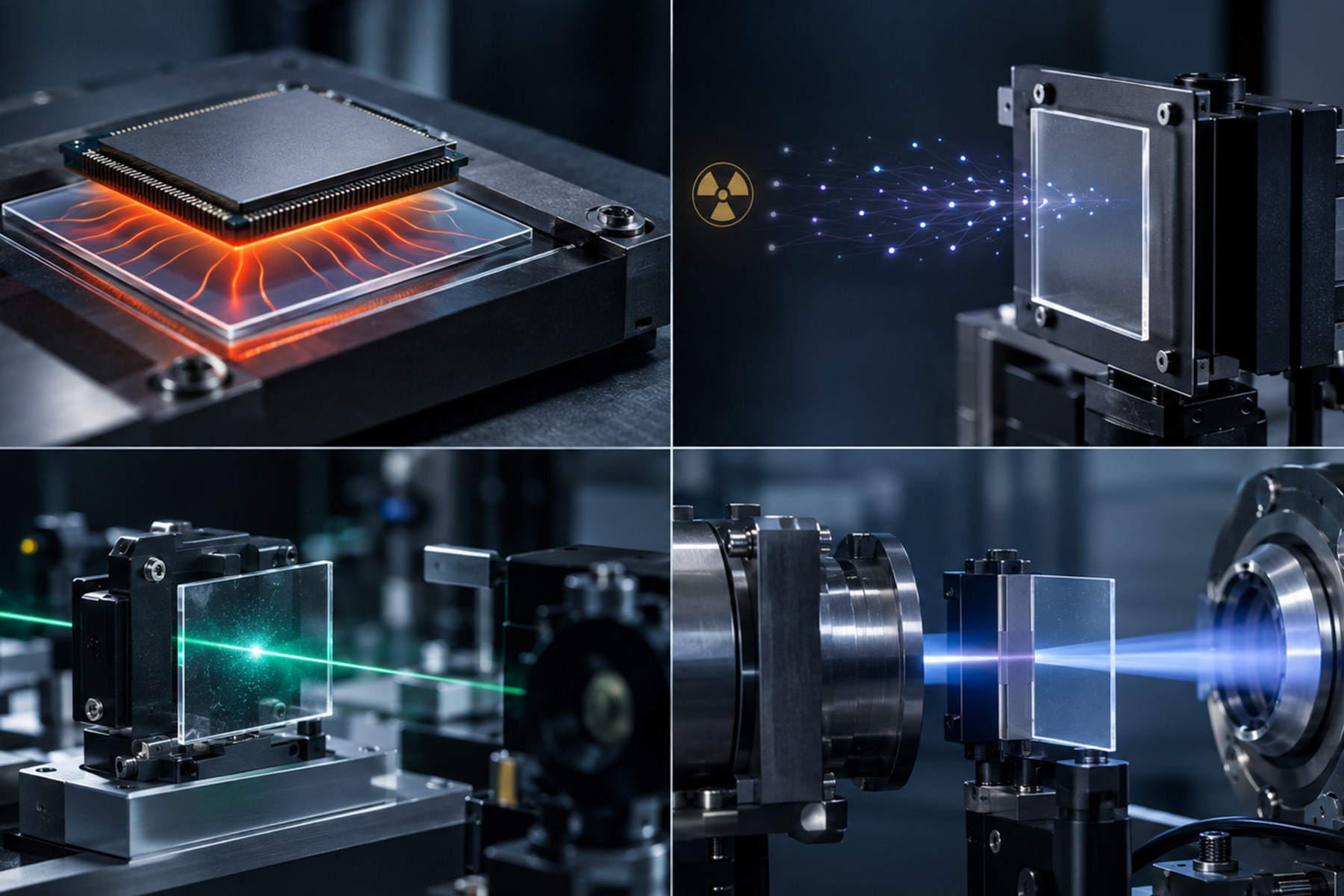
One of the most critical applications of single-crystal diamond plate is thermal management. Here is a list of different applications of single-crystal diamond plates:
1. As Heat Spreaders
The most valuable role of single-crystal diamond plates is thermal management. Today's modern devices generate extremely high heat which traditional materials might not dissipate efficiently. With thermal conductivity in the range of 1500 to 2000 W/m.K, diamonds are far better than copper and silicon substrates. Diamond plates are bonded directly beneath active semiconductor layers where they rapidly extract heat with hotspots, lower the junction temperature and improve the reliability of devices.
2. Radiation Detector
The evolution of semiconductor radiation detectors has reached a critical threshold as conventional materials, primarily silicon, suffer from progressive crystal lattice degradation, elevated dark current, and severe signal attenuation when exposed to elevated thermal conditions. Single-crystal diamond plates produced via Chemical Vapor Deposition (CVD) represent an advanced semiconductor material for solid-state ionizing radiation detection. These plates can withstand extreme radiation levels and operating temperatures without breaking down.
3. Substrates for Quantum Technologies
Quantum technology is another area where single-crystal diamond plates have found their purpose. Single-crystal diamond plates with controlled crystal orientation and optical defect serve as substrates for quantum computing research and quantum communication devices. Key factors including mechanical stability, quantum properties make single-crystal diamond plates useful for quantum computers and biological sensors. Here the high-purity of single-crystal diamond plates deliver consistent and reliable quantum performance.
4. X-ray and Synchrotron Optics
From advanced X-ray to synchrotron systems, single-crystal diamond plates are useful in multiple applications. Diamonds can work as monochromators where specific X-ray wavelengths and beam-splitters are selected which divide the beam. The extreme thermal conductivity of diamonds helps spread and remove heat, preventing the plate from bending making them useful for handling intense X-ray beams.
Conclusion
In conclusion, single-crystal diamond plates have proven to be an exceptional and advanced material available today. These represent the purest and the highest form of diamond plates. The different properties of diamonds have made them move from the laboratory to the heart of modern technology. As heat spreaders for high-power electronics to substrates for quantum devices, single-crystal diamond plates are now gaining importance.
With time, electronic devices are growing faster, smaller and more powerful which is intensifying the need for efficient heat management and material performance.
Additionally, the thermal, optical and electronic capabilities of single-crystal diamond plates is sure to make them the foundational material for the technologies of tomorrow.
Frequently Asked Questions
Here are some interesting FAQs on Single-Crystal CVD Diamond Plates:
“redefining one diamond layer at a time”
More Articles
%20vs%20(110)%20vs%20(111).jpg)


Aga9 Systems is a lab-grown diamond manufacturing company dedicated to harnessing the valuable properties of CVD diamonds for industrial applications. We at Aga9 Systems manufacture more than lab-grown diamond plates, we are dedicated to creating brilliance ethically, sustainably and with maximum resource efficiency.