
Monocrystalline Diamond Tool Blanks for Ultraprecision Machining
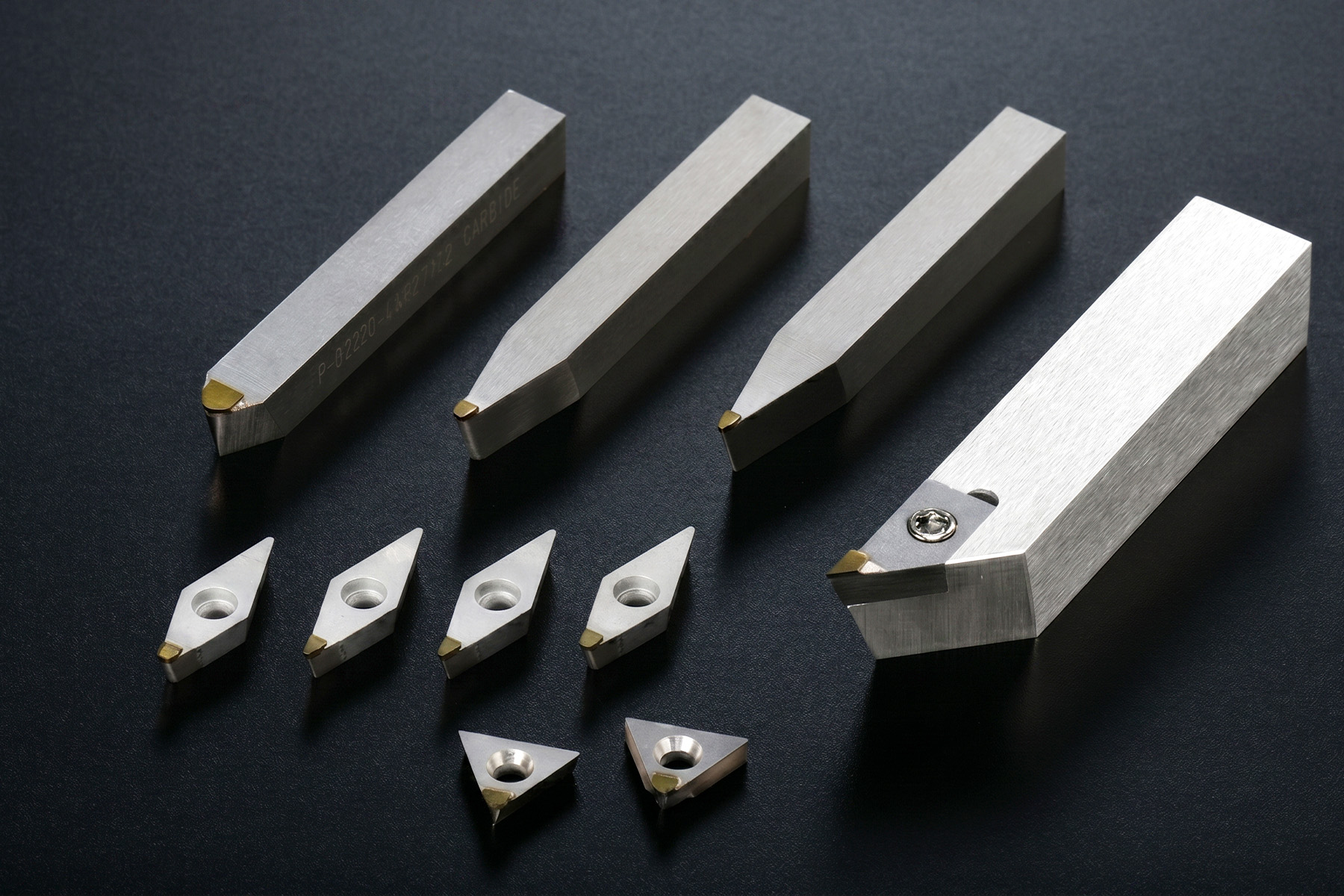
When it comes to ultraprecision machining, the characteristics of the cutting tool play a key role in defining the acceptable limits for surface finish, size precision, and internal material quality. Monocrystalline diamond is the hardest known tool material. It has a single and uninterrupted cubic lattice structure free from grain boundaries.
This atomic arrangement helps manufacture tools with extremely fine and defect-free cutting edges. The unique properties of diamonds from extreme hardness to low friction results in delivering unmatched machining performance.
In this blog, we will discuss the different properties of monocrystalline diamond, its advantages and highlight its applications across industries where superior machining performance is critical.
Monocrystalline Diamond Tool Blanks
Monocrystalline diamonds are manufactured using the high pressure high temperature (HPHT) growth process. The process involves combining carbon and transitional metals at very high pressures and temperatures. Crafted from a single and continuous crystal lattice, monocrystalline diamond (MCD) tools offer exceptional sharpness, precision and mirror finish especially on non-ferrous metals and lenses.
The primary reason why monocrystalline diamond tool blanks stand out for tooling is their single and continuous crystal lattice structure. An important aspect of this structure is that it gives MCD high chemical inertness, thermal conductivity, and mechanical hardness. As compared to other tool materials, it is far sharper which is fundamental to its ultra-precision capabilities.
The single crystal structure has an absence of grain boundaries that leads to precision and consistency starting at the atomic level.
Key Properties of Monocrystalline Diamonds

The mechanical and thermal properties of MCD is the result of its single-crystal lattice. In this section, we will discuss about the key properties of MCD:
a. Hardness
Diamonds are the hardest known material. The extreme hardness of MCD tools can resist plastic (permanent) deformation even under high cutting forces and temperatures. This helps the cutting edge retain its exact sharpness and form through long machining cycles, resulting in consistent accuracy from start to finish.
b. Thermal Conductivity
Diamond is known to have the highest thermal conductivity as compared to other materials. When it comes to highly pure single crystals the thermal conductivity falls between 2000 to 2200 W/m.K which is about five times more than copper. This remarkable property of diamonds allows localized heat in the cutting zone to be drawn away from the tool-workpiece interface and dissipated through the tool holder.
By effectively addressing thermal spikes, monocrystalline diamonds help prevent the thermal expansion of the cutting tool. Furthermore, it also helps deal with localized melting and thermal degradation.
Advantages of MCD Cutting Tools
The remarkable mechanical and thermal properties of MCD helps address critical advantages in high-precision manufacturing. This section highlights the advantages of MCD cutting tools:
a. High Hardness and Wear Resistance
Monocrystalline diamond tools are crafted using single and uninterrupted crystal structure. This gives them exceptional resistance to wearing. As they are devoid of grain boundaries, the cutting edge stays intact longer than conventional tool materials such as PCD. What this means is that the tool maintains its sharpness and precise geometry through extended machining cycles. This results in less tool changes and a consistent quality is maintained from the start till the end.
b. High Efficiency and Cost Effective
The continuous and single crystal structure of MCD results in excellent durability and slow wear time. This results in fewer tool replacements, less downtime and consistent performance. MCD cutting tools also run at high cutting speeds without resulting in rapid degradation. These tools improve the overall machining efficiency in precision and demanding industrial applications.
c. Superior Surface Finish
The defect-free cutting edge of MCD results in extremely smooth and mirror-like surface finishes. This discards the need for secondary finishing processes including polishing or lapping. Furthermore, this eliminates micro-chipping and ensures consistent performance.
d. Minimal Friction
MCD has a lower coefficient of friction and higher thermal conductivity than PCD. This prevents material from sticking to the tool edge (built-up edge) and keeps the cutting zone cooler.
Applications in Precision Machining
Due to its high precision, monocrystalline diamonds are ideal for high-end industries where sub-micron dimensional tolerances and mirror finishes are critical. They will deliver remarkable benefits in the following industries:
a. Optics Manufacturing
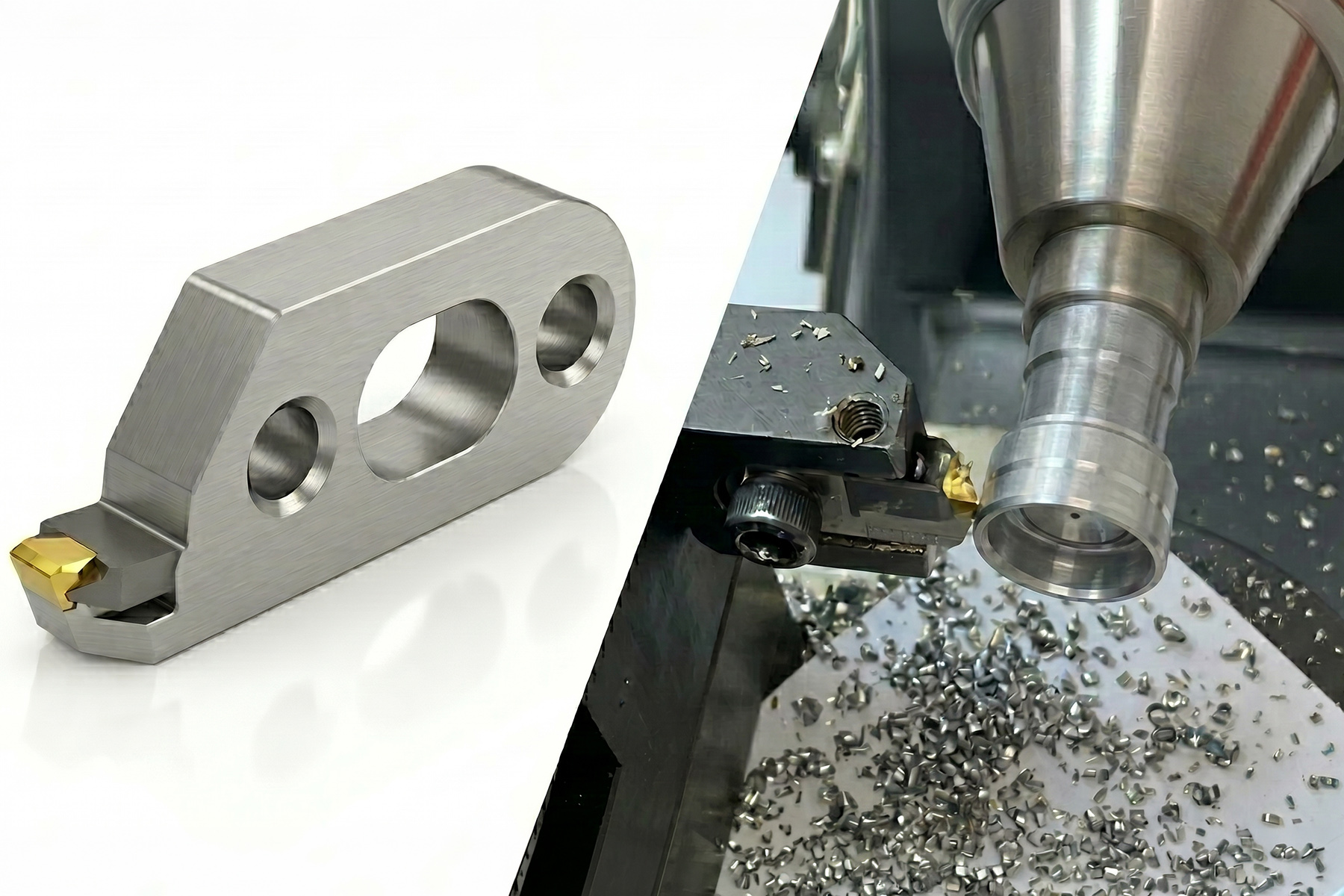
Ultra-precision single-point diamond is widely used in the optical industry. In this process, the MCD tools are used on special lathes that are isolated from vibration. They are built with air-bearing spindles and fluid-supported slides, allowing them to position the tool with extremely fine accuracy. These machines can produce high-accuracy optical components directly, without any need for polishing afterwards. In addition, MCD tools are also valuable in other areas including:
- Infrared Optics: MCD when combined with different materials including Germanium, Silicon and Zinc Selenide is ideal for thermal imaging and other infrared applications.
- Metal Mirrors: The superior finish produced by MCD makes it the preferred choice for manufacturing high-reflectivity mirrors used in telescopes and lasers.
b. Medical Devices
When it comes to the medical industry, there is a high need for devices featuring smooth surfaces and tight dimensional tolerances.
- Contact Lenses & Intraocular Lenses (IOLs): From machining IOLs to ultra-precise molds, MCD finds its place in manufacturing soft contact lenses.
- Implants: The finishing surface plays a key role in implants to ensure proper integration with bone and tissue. Monocrystalline diamonds can help achieve a smooth surface here.
c. Consumer Electronics
With MCD finishing, it is now possible to achieve a premium look and feel on smartphone casings, laptop bodies and tablet bezels. Diamond tooling can also provide extreme precision and smoothness inside computer hard disk drives.
Ultra-small MCD milling cutters help in the dry and high-speed shaping of titanium and aluminium alloys for high-end aerospace and smartphone enclosures.
Monocrystalline vs Polycrystalline Diamonds
In order to understand how monocrystalline diamonds are better than PCD let us look at the comparison table:
To conclude, monocrystalline diamond tools are the ultimate cutting tool technology for achieving precision and remarkable surface finish in different industrial applications. Crafted using a single crystal, they offer unparalleled sharpness which leads to exceptional results on compatible non-ferrous metals and polymers.
MCD tools are ideally suited for applications that demand utmost precision and finish. From optics manufacturing to consumer electronics, MCD tools offer unmatched performance compared to other conventional materials.
With their remarkable properties and reliable machining performance, monocrystalline diamond tool blanks are ideal for supporting the next generation of demanding engineering applications.
Frequently Asked Questions (FAQs)
Here are some interesting FAQs on monocrystalline diamond tool blanks:
“redefining one diamond layer at a time”
More Articles
%20vs%20(110)%20vs%20(111).jpg)


Aga9 Systems is a lab-grown diamond manufacturing company dedicated to harnessing the valuable properties of CVD diamonds for industrial applications. We at Aga9 Systems manufacture more than lab-grown diamond plates, we are dedicated to creating brilliance ethically, sustainably and with maximum resource efficiency.