
Everything About Polycrystalline Diamond Plates

The diamond industry has evolved! Gone are the days when diamonds were manufactured naturally through the process of traditional mining. CVD lab-grown diamonds are here to build the future of technology. These diamonds are produced in two different forms including: single crystal and polycrystalline diamonds.
PCD diamonds have different material properties and are meant for diverse industrial applications. From its characteristics to its benefits, we have highlighted every aspect about polycrystalline diamonds (PCD). In this blog, let us look at how polycrystalline diamonds by Aga9 Systems can help reshape modern industries.
Overview of Polycrystalline Diamonds
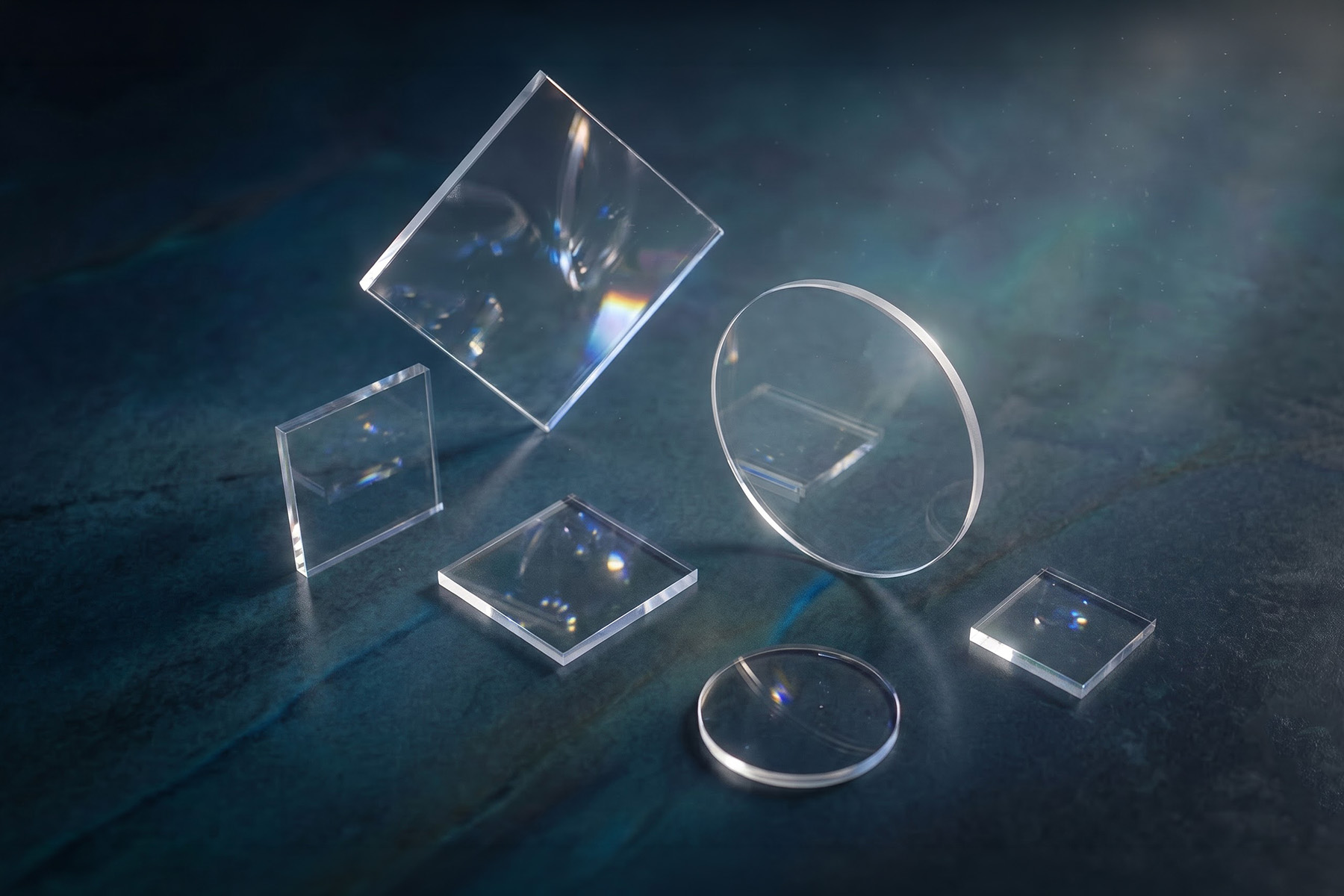
PCDs are grown over a non-diamond substrate material using chemical vapor deposition (CVD) technique. The substrates are seeded with diamond particles prior to growth. Polycrystalline diamond plates are manufactured using multiple small diamond crystals and feature an organized structure. PCD possesses grains having size ranges from a few nanometers to hundreds of microns.
Some key properties of PCD involve extreme hardness, good thermal conductivity and excellent chemical stability. Tools requiring durability and precision will benefit from the use of polycrystalline diamonds. This involves cutting tools, drilling equipment and wear-resistant components.
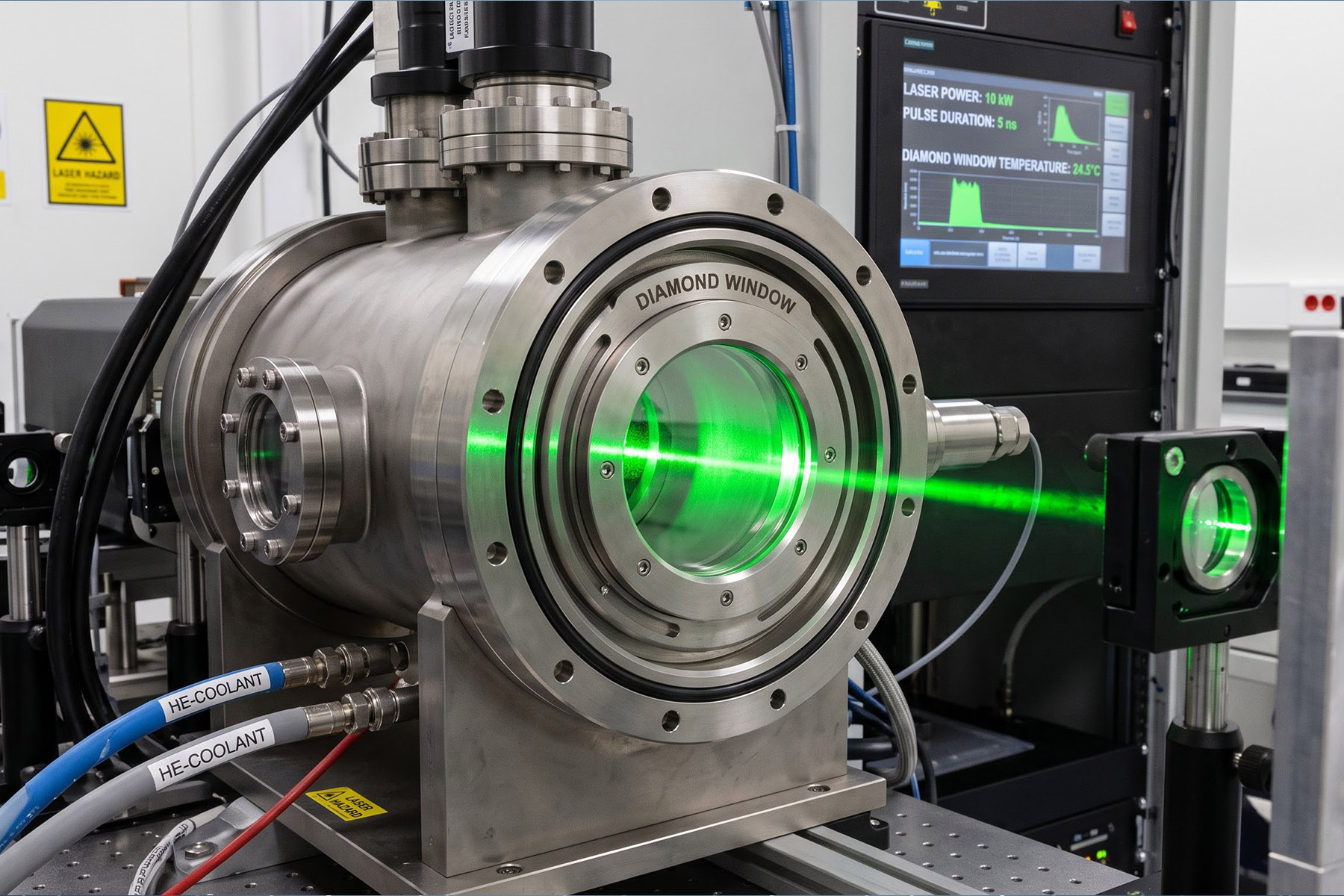
Fine polishing techniques enable the optical grade applications of PCDs which includes optical windows in high-power lasers, X-ray windows, and vacuum windows.
Advancement in technology is set to increase the demand of PCD. Unlike single-crystal diamonds, PCD are ideally meant for use in industrial applications.
The Core Characteristics of Polycrystalline Diamonds
The polycrystalline diamond plates by AGA9 Systems support a variety of applications. They mainly work well as cutting tools when it comes to non-ferrous metals and non-metallic materials. Additionally, the use of AGA9 Systems diamond plates in optical applications are gaining popularity.

1. Customizable Sizes
CVD diamond manufacturing enables the growth of large sized polycrystalline diamond plates for industrial applications where there is a need for bigger surface area. The scalability provided by CVD manufacturing process will allow manufacturers to meet the diverse and growing demands in high-tech industries.
AGA9 Systems polycrystalline diamond plates are highly customizable and can be manufactured in different sizes as per the requirement of the business.
2. One Material With Endless Possibilities
Another crucial characteristic of AGA9 Systems polycrystalline diamond plates is in their applicability in wide industrial areas. These diamond plates are deployed across different industries including - optics, electronics, and cutting tools.
3. Features High Purity Level
It is possible to control the purity of lab-grown diamonds from parts per billion (ppb) to a few parts per million (ppm). This is verifiable via Electron Paramagnetic Resonance (EPR). This process helps identify any defects and impurities present in the diamond lattice. AGA9 Systems polycrystalline diamond plates provide a low impurity level of 1 ppm which makes them a perfect fit for varied industrial applications.
4. Excellent Thermal Conductivity
Polycrystalline diamonds have thermal conductivity of ~800 Watts/mK. Though it is not the best in comparison to single-crystal diamonds, it is still better than conventional materials such as copper, aluminum nitride and aluminum. Hence, these diamonds are a high conductivity material and ideal for managing heat effectively in demanding industrial applications.
Where Do Polycrystalline Diamond Plates Fit in Industrial Applications?
Polycrystalline diamond plates find their way in some of the most promising and demanding applications. AGA9 Systems polycrystalline diamond plates are ideal for multiple industrial applications listed below:
1. As Cutting Tools
Polycrystalline diamonds play a key role in the manufacturing of cutting tools especially non-ferrous or non-metallic materials. The superior hardness and wear resistance are factors responsible for extended tool life and improved machining precision.
Machines are advancing today. And to match with the requirements of these increasing demands, polycrystalline diamonds can offer much needed support. The best part about polycrystalline diamonds is they can maintain sharpness better than other conventional materials. Hence they become an indispensable material for cutting, grinding and dressing tools.
2. Electronic and Advanced Technology Applications
PCD has found its way in electronics and advanced technology applications. They are increasingly being used in high-power switches for power stations, high frequency field effect transistors and light-emitting diodes.
Day by day semiconductor devices are becoming smaller and more powerful. Heat spreaders made using polycrystalline diamond plates tend to serve as an effective heat spreader. They can help drive away heat from sensitive parts and ultimately lead to better performance of electronic devices.
3. Ideal For Large Optical Windows
Polycrystalline diamond plates are ideal for large optical windows owing to supreme optical transparency and remarkable strength. These defining factors result in minimal distortion and leads to superior transmission.
4. Electrochemical Applications
Polycrystalline diamond plates (PCD) are a perfect fit for electrochemical applications, thanks to their excellent chemical stability. However, when lab-grown diamonds are doped with boron, they become electrically conductive leading to formation of boron-doped diamond electrodes. These diamond electrodes perform relatively well in harsh environments.
How are Polycrystalline Diamond Plates Advantageous?
Polycrystalline diamonds come with a lot of benefits that help address the growing needs of demanding applications. In this section, let us decode each of these benefits and understand what polycrystalline diamonds have to offer.
1. Helps Extend Tool Life
Polycrystalline diamonds have good wear resistance which results in significantly longer tool life. They can withstand abrasion effectively which means fewer replacements, minimum downtime and less maintenance costs.
2. Offers Excellent Surface Finish
Tools made using polycrystalline diamonds as a material tend to have extremely smooth and accurate finish. Industries including automotive and aerospace will benefit here since precision and surface quality plays a key role in these industries.
The Growing Demand For Polycrystalline Diamonds
The market for polycrystalline diamonds in 2023 stands at USD 953.87 million. This will see a positive increase to 1694.72 million by 2031. This means a compounded annual growth rate (CAGR) of 5.92% during this period.
The following factors are driving the growth of polycrystalline diamonds:
- The Ever Growing Demand: Aerospace, automotive, oil & gas and electronics are key industries where the use of polycrystalline diamonds are seeing rapid growth. What is driving this engaging demand are factors including superior hardness, wear resistance, and thermal conductivity.
- Technology Advancement: The manufacturing of polycrystalline diamonds is undergoing massive innovations. Improved techniques for synthesis and processing are being applied to enhance the performance and reduce the costs. This makes PCD a perfect fit for various applications.
- Adoption of Precision Machining: Precision and high-performance machining in manufacturing are new trends that are increasing the demand for polycrystalline tools. Compared to conventional materials, PCD tools provide enhanced cutting performance and longer tool life.
- Rise in Automotive Sector: There has been considerable growth in the demand for electric and hybrid vehicles. These vehicles demand advanced materials for components and manufacturing processes. Here is where PCD tools can offer significant advantages.
The Final Word
We conclude that polycrystalline diamond plates are proving a game changer for high demanding applications. Be it for managing heat in electronics or improving the durability of cutting tools, these are proving to be valuable.
As industries are pushing the boundaries of performance and efficiency, the use of AGA9 Systems polycrystalline diamonds will prove useful across different industrial sectors. From good hardness to wear resistance are factors driving the demand for polycrystalline diamonds.
The long service life eliminates the need for replacements and enhances operational efficiency. As there will be increasing research and development in synthetic diamonds, the market for polycrystalline diamonds will expand.
Frequently Asked Questions
“redefining one diamond layer at a time”
More Articles
%20vs%20(110)%20vs%20(111).jpg)


Aga9 Systems is a lab-grown diamond manufacturing company dedicated to harnessing the valuable properties of CVD diamonds for industrial applications. We at Aga9 Systems manufacture more than lab-grown diamond plates, we are dedicated to creating brilliance ethically, sustainably and with maximum resource efficiency.