
History of Synthetic Diamonds

Natural diamonds take billions of years to form, deep beneath the earth's mantle, under conditions of immense heat and pressure. As technology advanced, so did the production of diamonds. Long associated with luxury and beauty, diamond was prized precisely because it was so rare and so difficult to obtain. However today the growth of diamonds has shifted from natural environments to lab environments. Synthetic diamonds have revolutionized and brought in new and effective ways to manufacture diamonds.
In this blog, we will look at the history of synthetic diamonds and how their production of them has evolved over the years.
About Synthetic Diamonds
Synthetic diamonds are man-made diamonds created inside a lab. The first ever synthetic diamonds were created in the year 1950s using the high pressure high temperature (HPHT) method. Over the years, technological advancements led to the introduction of chemical vapor deposition (CVD) technology, allowing for creation of larger and higher quality diamonds. Synthetic diamonds possess several advantages including - lower costs and more sustainable production process.
Early Experiments
The first experiment on synthesis of diamond was conducted back in the year 1694 by scientists Gianni Averani and Carlo Targioni. Using a focusing lens, scientists heated a diamond to extremely high temperatures and demonstrated that it burns when sufficient heat is applied.
During the year 1772, Antoine Lavoisier conducted an experiment and discovered that both diamond and charcoal when burned release the same gas: carbon dioxide. Furthermore, during the early 19th century, Humphry Davy and Michael Faraday repeated Lavoisier’s experiment.
They burned diamond inside a flask filled with oxygen which resulted in production of carbon dioxide. This experiment once again confirmed the carbon composition of diamond.
The First Attempt at Diamond Synthesis

Nine years after the experiment conducted by Davy and Faraday, Russian scientist Vasily Karazin made his first attempt at producing diamonds in 1823. Through the experiment he obtained a solid mineral named 'pyrogon'. However, there is no evidence of linking pyrogon to diamonds.
In the year 1829, another scientist by French scientists Caignard de la Tour and Jean-Nicolas Gannal. Early diamond synthesis efforts relied almost entirely on high temperatures, with pressure only gradually recognized as equally essential. The first serious attempt came from Scottish chemist James Hannay in 1879 - 1880, who heated hydrocarbons and lithium in thick-walled sealed steel tubes.
This was a dangerous method that destroyed 77 of his 80 trials. Though he claimed success, X-ray analysis later confirmed the crystals were natural diamonds. Later on, Russian scientist Konstantin Khrushchov used this principle in 1893. In his experiment, he saturated molten silver with carbon and rapidly cooled it to produce hard crystals he believed to be diamonds.
Though these early experiments were flawed, they established the foundation for genuine synthesis where diamonds required both heat and extreme pressure.
The HPHT Diamond Growth Process
The origin of HPHT diamond synthesis can be dated back to the mid 20th century. This process was conducted independently by two rival teams during the Cold War era.
The first attempt at successfully synthesizing diamonds was done by the leading electricity company of Sweden, ASEA (Allmänna Svenska Elektriska Aktiebolaget). This process involved placing graphite, iron carbide and thermite inside a tantalum container and sealing it with a pressure block.
This was then subject to a temperature of 2,500 °C and a pressure of 8 - 9 GPa for two minutes. The result was 20 to 50 diamond crystals measuring between 0.1 to 0.5 mm in size. Operating under intense industrial secrecy, ASEA chose not to publish or immediately patent their breakthrough, focusing instead on scaling up the process for industrial applications.
General Electric Joins The Race
The chemical team at General Electric (GE) in the United States had been secretly developing their own high-pressure apparatus for diamond synthesis. It consisted of a central reaction chamber encased in tungsten carbide and reinforced by a steel band. They believed this design could nearly double the pressures they could achieve.
Finally, in 1954, the team was successful in synthesizing diamonds inside a tantalum container, using a mixture of graphite and iron sulfide, at a temperature of 1,600 °C and a pressure of 7 GPa. The process lasted between one and three minutes, and the largest crystals formed measured up to 0.8 mm.
The Rise of CVD
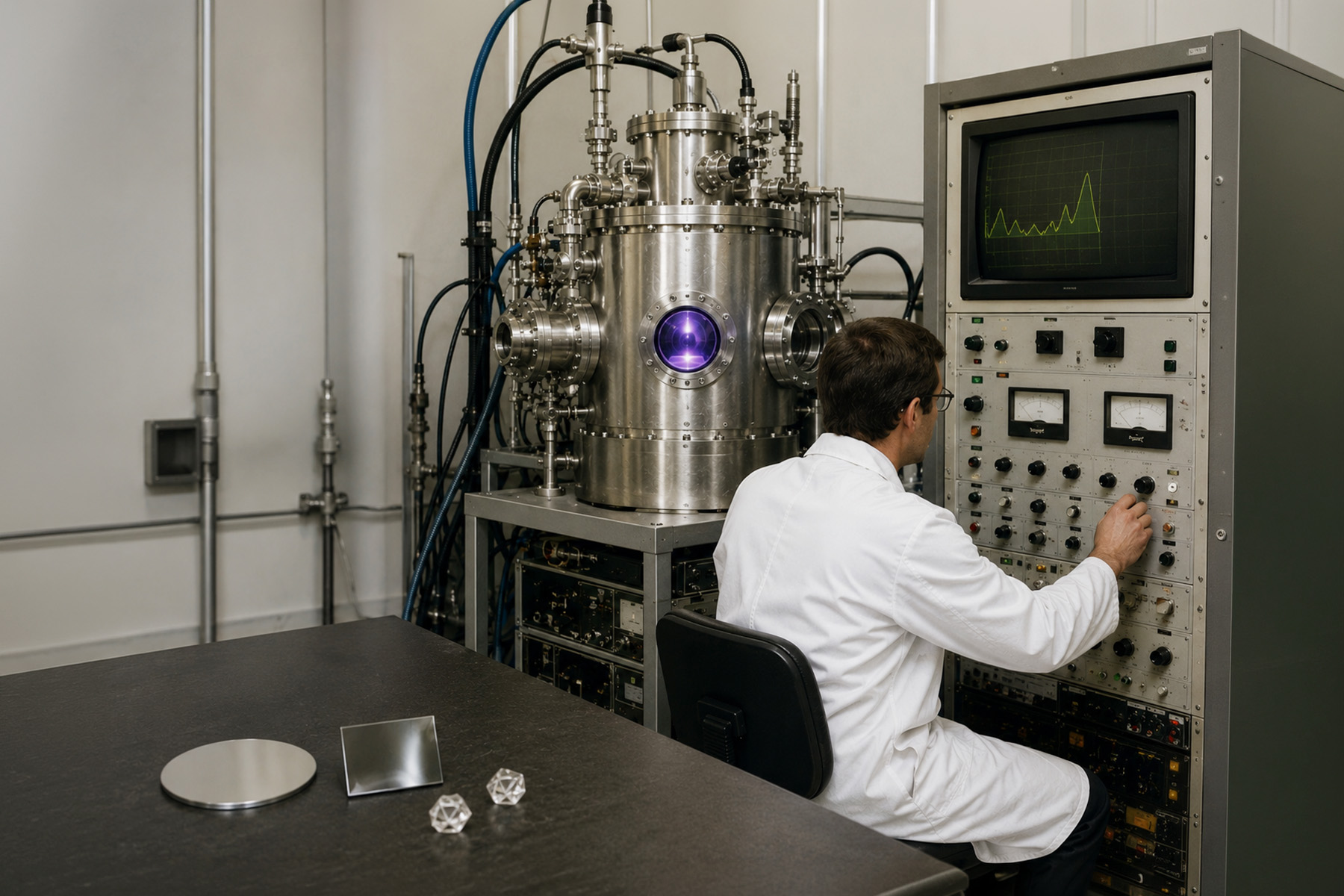
The HPHT diamond method has laid the foundation for the synthetic diamond growth process. This method replicates the extreme conditions under the earth's mantle. Early on, claims about CVD synthetic diamonds were met with doubt and only proven true years afterwards. By the late 1980s, scientists had mastered reliably growing diamonds with the CVD process.
The CVD diamond process was fully realized in the year 1980 after multiple scientific experimentations. In 1952, William G Eversole, Derjaguin and J.C. angus were the first ones to understand the CVD growth process. Though Eversole succeeded in depositing new diamond material this early process was highly inefficient.
It was in 1963 that the critical breakthrough of CVD synthesis was achieved by John Angus. The Soviet Union and NIRIM in Japan further developed this low-pressure approach, leading to the plasma-enhanced CVD (PECVD) methods that now produce very pure diamond films.
The CVD Process
Unlike HPHT which requires high pressure, the CVD growth process grows diamonds at low pressure. It produces diamonds with a mixture of two main gases including - hydrocarbon gas (typically methane) and hydrogen. In the CVD chamber, hydrogen gas is changed into atomic hydrogen, which supports diamond formation as it is more stable in these conditions.
This is done in three ways via microwaves, electrical sparks, or hot wires. When atomic hydrogen is in the gas, two chemical reactions occur. Initially, CVD growth chambers supported only one seed at a time. However, this number is expected to rise in the future.
The Future is Lab-Grown
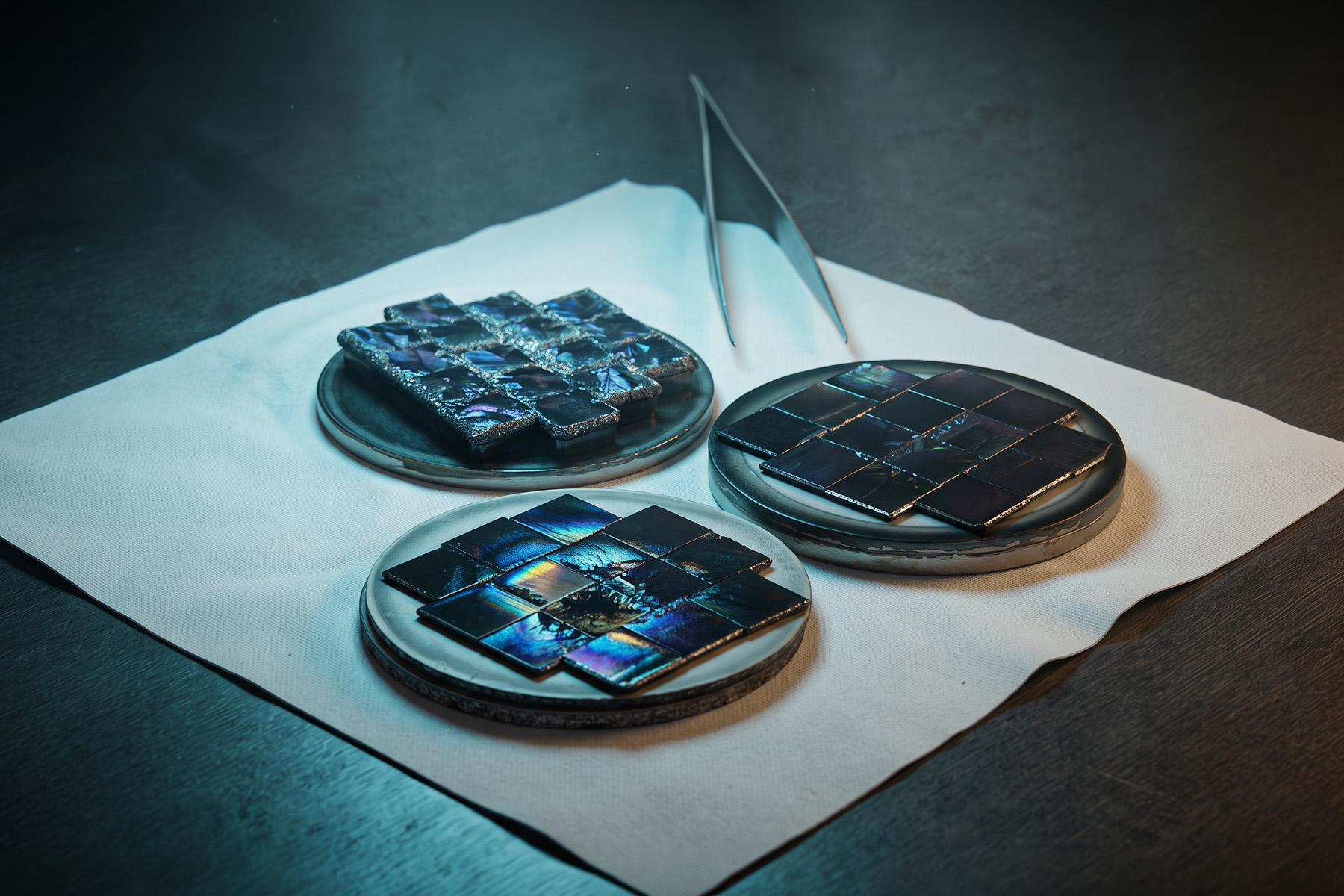
Though the initial efforts of the 19th century were hampered by limited technology and absence of analytical tools, they laid the foundation for high-pressure breakthroughs of the 1950s. The initial process of manufacturing diamonds via HPHT gave rise to the process of CVD (chemical vapor deposition).
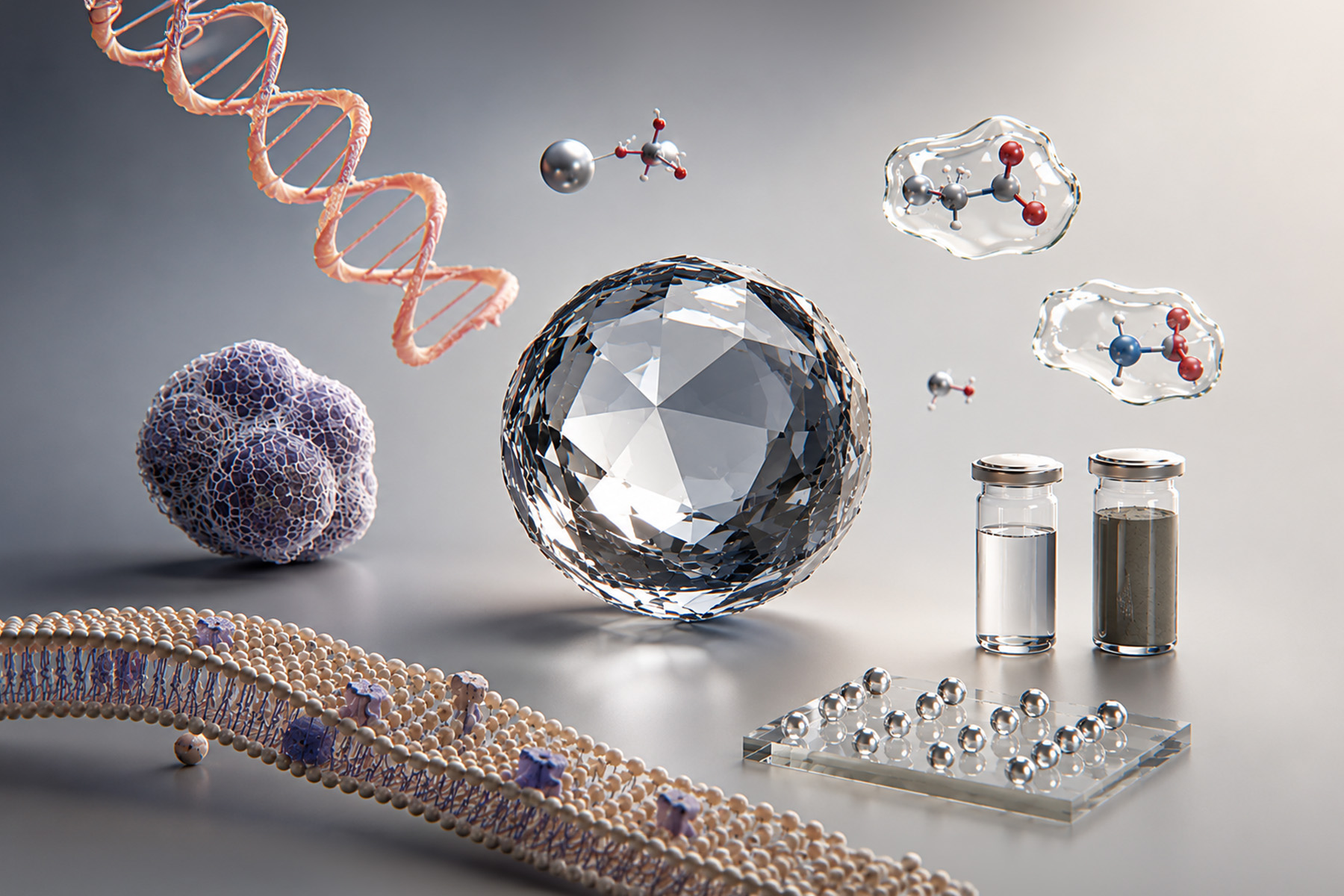
Synthetic diamonds have today become one of the breakthrough materials in modern science. What started as an experiment has now grown to become a sustainable option compared to mined diamonds. From the gem segment to industrial applications, synthetic diamonds have come a long way.
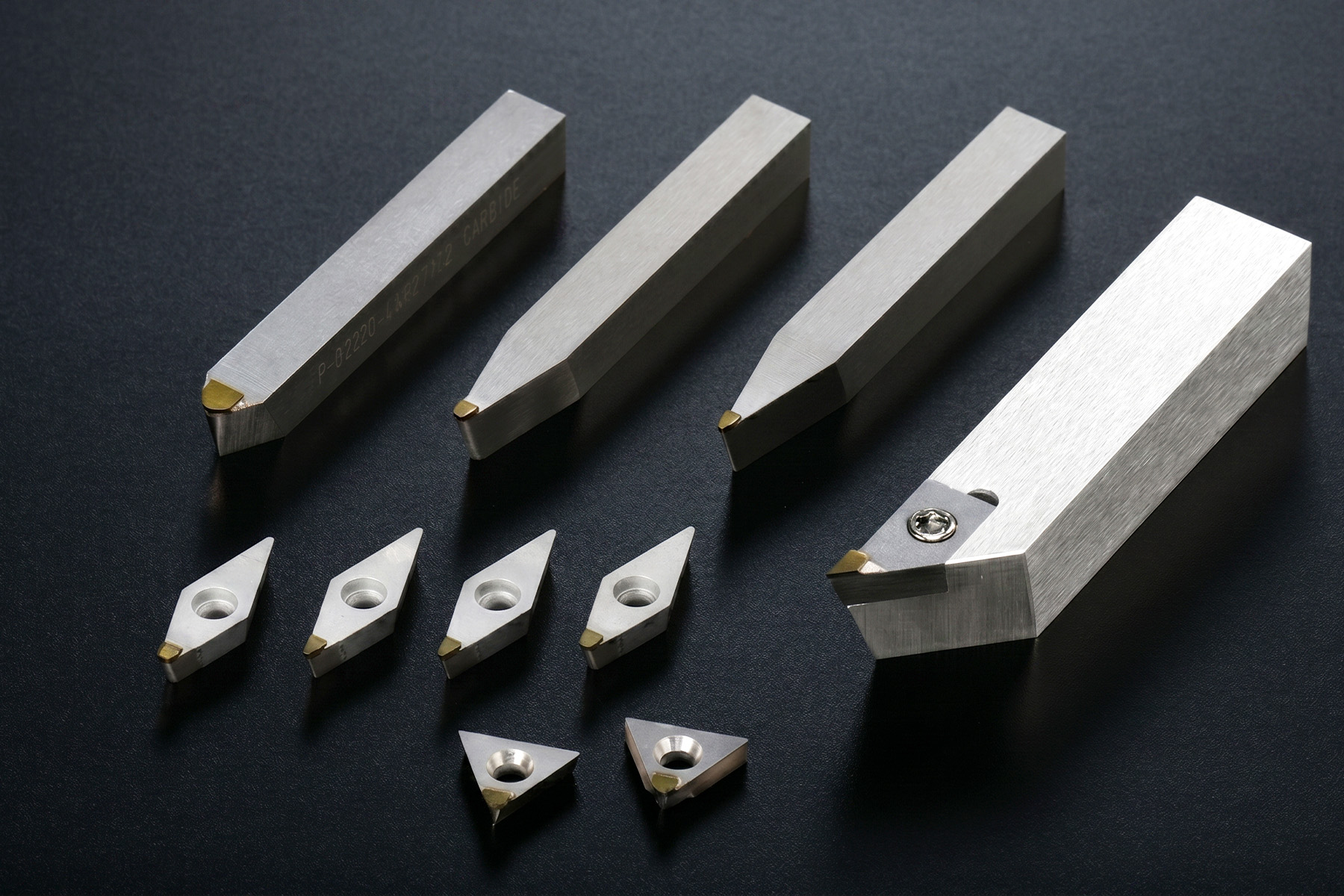
They have proven to be an excellent material when it comes to semiconductors, cutting tools, quantum computing and high-performance electronics. They are changing the dynamics of the jewelry segment and offering new material solutions for high-performance optics, quantum computing and electronics.
Synthetic diamonds are no longer a sustainable diamond solution. They are an advanced material for shaping the future.
Frequently Asked Questions (FAQs)
Here are some interesting FAQs on history of synthetic diamonds:
“redefining one diamond layer at a time”
More Articles


Aga9 is a lab-grown diamond manufacturing company dedicated to harnessing the valuable properties of CVD diamonds for industrial applications. We at Aga9 manufacture more than lab-grown diamond plates, we are dedicated to creating brilliance ethically, sustainably and with maximum resource efficiency.