
Benefits Of Single Crystal Lab Grown Diamonds

Every material has different properties which influences the performance of modern-day devices. Diamonds are becoming a potential material choice for developing high-power electronics and laser windows. However, sourcing natural diamonds comes with a significant environmental cost and causes stress to the planet. Lab-grown diamonds, grown in a lab, offer a green alternative and are emerging to be a cutting - edge material.
In particular, single crystal diamonds are shaping the future of power electronics and quantum devices better than conventional materials can match. In this blog, let us understand the many benefits of single crystal cvd diamond plates and the diverse applications where they can be helpful.
Single Crystal Lab-Grown Diamonds
Single crystal lab-grown diamonds are characterized by tetrahedrally organized and covalently-bonded carbon atoms in a cubic lattice. It features a continuous and ordered and unbroken atomic arrangement forming crystallites without any grain boundaries. They are produced using Chemical Vapor Deposition (CVD) method which gives them extraordinary purity.
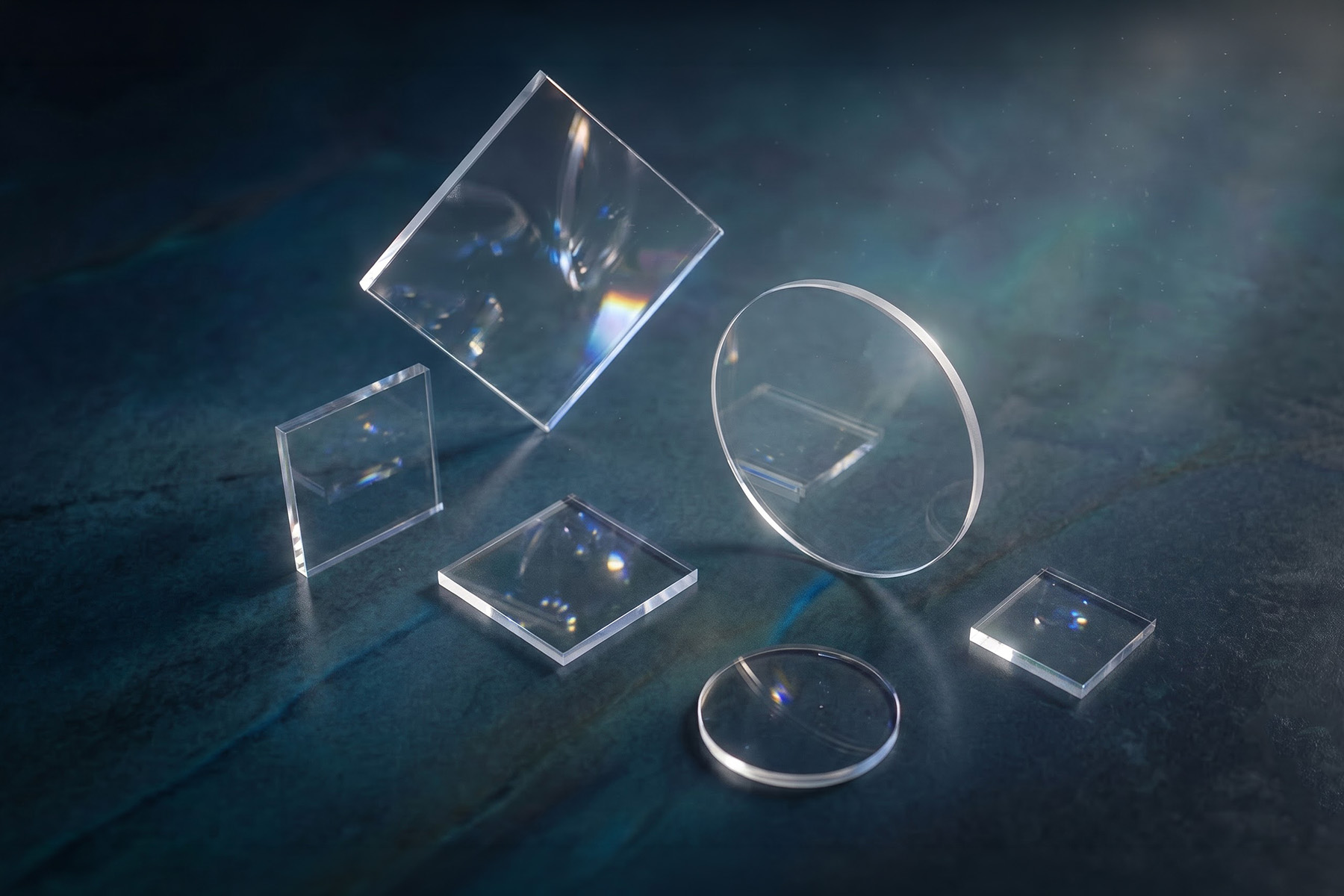
Single crystal cvd diamond plates are a preferred choice for power electronics, high-performance optics, quantum computing, and other industries.
Benefits of AGA9 Systems Single Crystal Lab-Grown Diamonds
The benefits of single crystal diamonds are many. In this section we have listed down the key properties of single crystal diamond plates:
1. Electronic and Semiconductor Properties
The Chemical Vapor Deposition (CVD) process of producing single crystal cvd diamond plates helps achieve high purity levels. It also comes with defect densities at or below the parts per billion (ppb) range. The benefit of such ultra-high purity results in considerably low point defect concentrations. This characteristic makes CVD diamonds a perfect fit for precision defect engineering at the single-point or low-concentration level.
Apart from their extreme purity, single crystal diamonds also feature outstanding semiconductor and electronic properties. They exhibit great carrier mobility and superior optical transparency. They have excellent carrier mobility and optical transparency, making them suitable for electronic, optoelectronic, and quantum applications.
2. Good Radiation Hardness
The atomic displacement energy (42 eV/atom) of diamonds and low atomic number are factors that provide diamonds with outstanding resistance to radiation damage. As compared to other solid-state materials, diamonds enable stable and highly sensitive performance.
3. Diverse Applications
From the mirror finish of a smartphone to the manufacture of copper wire in airplanes, single crystal diamonds have found their way in diverse mechanical applications. This has resulted in finding solutions for high-power density optical applications which previously seemed impossible. Thanks to the developments in single crystal diamonds, they can now also be used as an optical engineering material.
4. Ultra-Hard Precision Tooling
Diamond scores a 10 on the Mohs scale which is the reason for its extreme hardness. This gives diamonds good wear resistance and low coefficient of friction. As a coating, CVD diamonds can achieve around 99% purity. Single crystal diamond also results in precision finishing. Furthermore, for high-precision tolerances, single-crystal diamonds will act as an ideal and smooth base.
5. Sustainability
Chemical vapor deposition of diamond is made possible by thermal disassociation of hydrogen and a gaseous source of carbon in plasma at temperatures above 2000 °C. After over 40 years of research, this technique has emerged as a preferred process because of the ability to control diamond purity and produce high-quality, free-standing polycrystalline and single crystal CVD diamond.
Key Use Cases of Single Crystal Diamonds
Single crystal cvd diamond plates serve multiple real-world uses. Let us look at the 5 common use cases of single crystal diamonds in this section below:

1. Semiconductor Applications
Aga9 Systems Single crystal CVD diamond plates with ultra-purity of 1 ppb (parts per billion) are perfect for high power semiconductor devices. Lab-grown diamonds act as a superior layer for high-power, high-frequency semiconductors. These diamonds have exceptional thermal conductivity which drives away heat effectively from sensitive components and reduces device failures.
These diamonds are being increasingly adopted by companies manufacturing RF and microwave components. Electronics have become advanced these days. Hence the need to improve efficiency is driving the growing demand for single-crystal diamonds. From high-performance CPUs or LED lighting systems, single-crystal diamonds prevent overheating, ensure stable operation, and provide energy efficiency.
Some of the areas where considerable improvement is observed include: better device lifespan, superior thermal management, and improved operational efficiency.
2. Laser and Optical Components
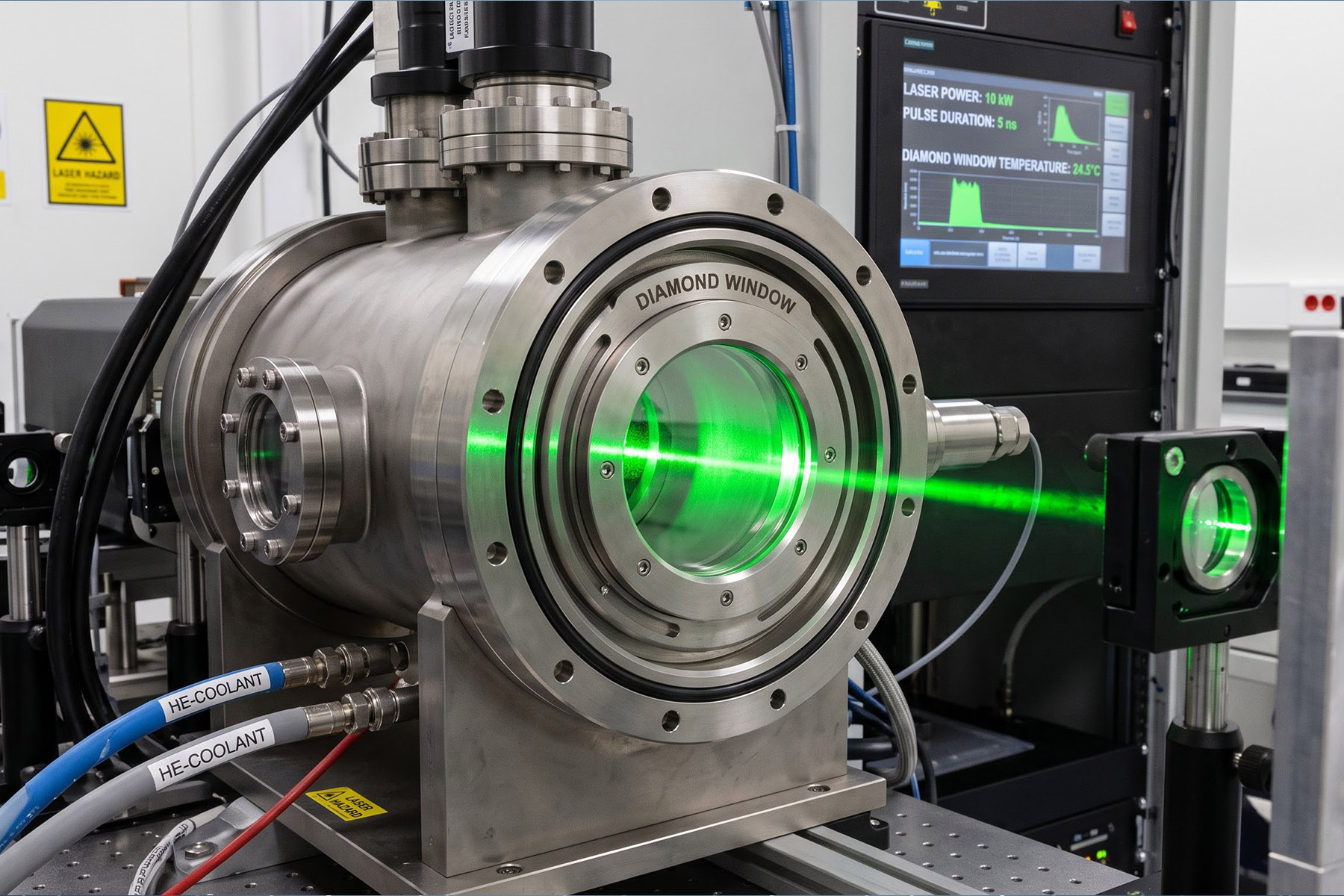
Laser and optical components require materials with exceptional clarity which makes single crystal diamonds with 1 ppb (parts per billion) purity are a good fit here for laser applications. It is their optical clarity and durability. With the ability to resist thermal and mechanical stress, single crystal diamonds ensure consistent performance at all times. Aerospace and defense industries have started to rely on these components for missile guidance and satellite systems.
3. Cutting and Drilling Tools
Single crystal CVD diamond plates with 1 ppm (parts per million) purity perform well when it comes to cutting and drilling tools. The extreme hardness of mechanical grade crystal diamonds makes them a perfect fit for cutting, grinding, and drilling tools. These diamonds enable cleaner and faster cuts. Improved durability, reduced downtime, and low operation costs are the key benefits associated with single crystal diamonds.
Future Outlook
The growth for single crystal diamonds is set to expand in the future. So what is driving this high demand? The increasing use of diamonds in applications such as electronics, quantum computing, and advanced optics. The demand for single grade diamonds is surely set to accelerate.
In the year 2024, the market for synthetic single crystal diamonds was valued at USD 1.97 billion. There is expected to be an increase in the market from 2.12 billion (2025) to 3.69 billion (2032) respectively.
The Final Word
Single crystal diamonds are seeing a rising trend. They blend everything - purity, performance and sustainability. These CVD diamond solutions are perfect for diverse applications including semiconductors, optical components and mechanical tools. These diamonds have emerged as a sustainable solution compared to traditional materials.
Single crystal diamonds are here to support the growing demands and needs of demanding industrial applications. The best part about single crystal diamonds is their method of production - Chemical Vapor Deposition. These are produced with minimal environmental impact, are a green solution and highly resource efficient.
As modern industries are advancing day by day, single crystal diamonds are here to stay!
Frequently Asked Questions
“redefining one diamond layer at a time”
More Articles
%20vs%20(110)%20vs%20(111).jpg)


Aga9 Systems is a lab-grown diamond manufacturing company dedicated to harnessing the valuable properties of CVD diamonds for industrial applications. We at Aga9 Systems manufacture more than lab-grown diamond plates, we are dedicated to creating brilliance ethically, sustainably and with maximum resource efficiency.